Gallbladder problems can cause persistent abdominal discomfort, digestive issues, and sudden episodes of severe pain. When gallstones or other gallbladder conditions require surgical treatment, Laparoscopic Surgery in Islamabad can provide a minimally invasive approach. Also known as keyhole surgery, laparoscopic surgery uses small incisions and a camera to allow the surgeon to view and treat the affected area with less tissue disruption than traditional open surgery.
What Is Laparoscopic Gallbladder Surgery?
Laparoscopic gallbladder surgery, commonly called laparoscopic cholecystectomy, is a procedure used to remove the gallbladder. The gallbladder is a small organ located beneath the liver that stores bile, a digestive fluid produced by the liver.
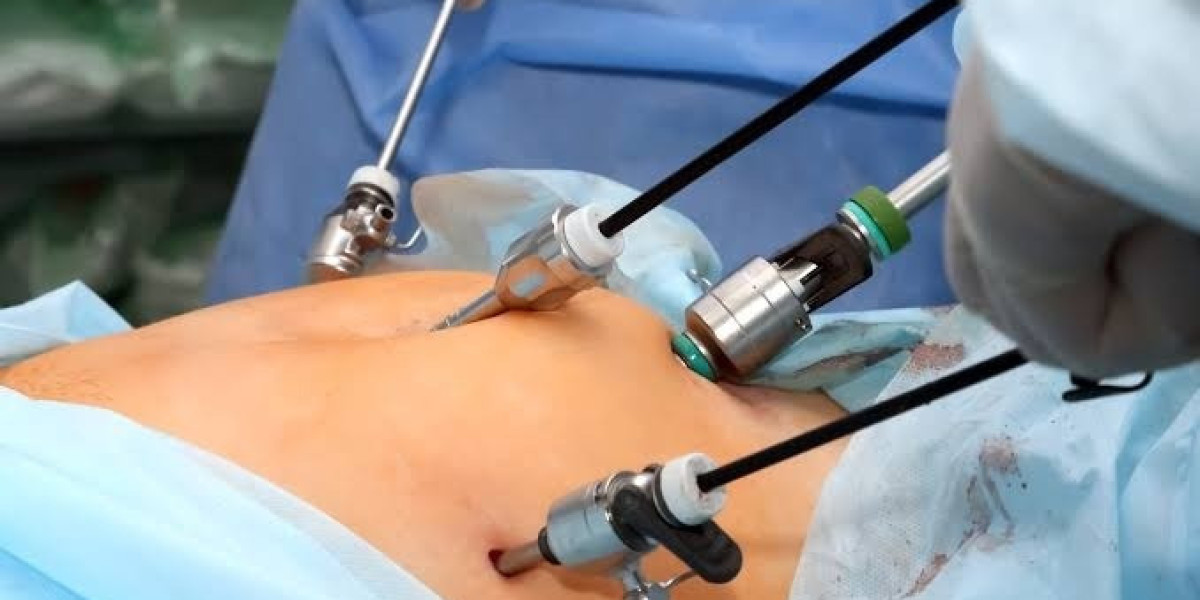
During the procedure, the surgeon makes several small incisions in the abdomen. A laparoscope, which has a tiny camera attached to it, is inserted through one incision. Surgical instruments are introduced through the other openings, allowing the surgeon to carefully separate and remove the gallbladder.
The procedure is generally performed under general anesthesia, meaning the patient remains asleep throughout the operation.
Why Might You Need Gallbladder Surgery?
Gallstones are among the most common reasons people undergo gallbladder removal. These hardened deposits can form when substances in bile become imbalanced. Some people have gallstones without experiencing symptoms, while others develop significant complications.
Surgery may be considered when gallstones or other gallbladder problems cause recurring symptoms or complications.
Common conditions that may require gallbladder surgery include:
- Symptomatic gallstones
- Acute or chronic cholecystitis
- Gallbladder inflammation
- Gallstone-related blockage of the bile ducts
- Gallstone pancreatitis
- Certain gallbladder polyps or other abnormalities
Your doctor may recommend surgery based on your symptoms, medical history, physical examination, blood tests, and imaging results such as an ultrasound.
Common Symptoms of Gallbladder Problems
Gallbladder conditions can produce symptoms that range from mild digestive discomfort to severe abdominal pain. Typical symptoms may include pain in the upper-right or upper-middle abdomen, particularly after eating a fatty meal.
Other symptoms can include nausea, vomiting, bloating, indigestion, and pain that may extend toward the back or right shoulder.
If a gallstone blocks a bile duct, symptoms can become more serious. Jaundice, fever, chills, dark urine, or severe and persistent abdominal pain may require prompt medical assessment.
Not everyone experiencing abdominal pain has a gallbladder problem. Proper diagnosis is important before deciding whether surgery is appropriate.
How Does Laparoscopic Gallbladder Surgery Work?
Before surgery, the patient is usually assessed by the surgical team and may undergo blood tests and imaging studies. The doctor also reviews medications, allergies, previous surgeries, and other relevant medical information.
On the day of the procedure, general anesthesia is administered. The surgeon then makes small abdominal incisions and introduces the laparoscope.
Carbon dioxide gas may be used to gently inflate the abdomen, creating space for the surgeon to see and operate safely. The camera projects an enlarged view of the abdominal structures onto a monitor.
Using specialized surgical instruments, the surgeon identifies the gallbladder, carefully separates it from surrounding tissues, seals the relevant blood vessels and bile duct, and removes the gallbladder through one of the small incisions.
After the gallbladder has been removed, the instruments are taken out and the incisions are closed.
Benefits of Laparoscopic Gallbladder Surgery
One of the main advantages of laparoscopic surgery is that it involves smaller incisions compared with conventional open surgery.
This minimally invasive approach may provide several benefits, including smaller scars, less disruption to surrounding tissues, reduced postoperative discomfort for many patients, and a potentially faster return to normal activities.
Hospital stays can also be shorter in uncomplicated cases. However, recovery varies between patients depending on their overall health, the reason for surgery, and whether complications are present.
Laparoscopic surgery is not automatically suitable for every patient. In some situations, a surgeon may need to use open surgery for safety or technical reasons.
Preparing for Laparoscopic Gallbladder Surgery
Proper preparation can help make the surgical experience smoother. Your surgeon will provide specific instructions based on your medical condition.
You may be advised to avoid eating or drinking for a certain period before anesthesia. Tell your doctor about all medications, supplements, and medical conditions you have.
Some medications may need to be adjusted before surgery, but patients should never stop prescribed medication without medical advice.
You should also arrange transportation and, if necessary, assistance at home during the early recovery period.
Recovery After Gallbladder Surgery
Recovery after laparoscopic gallbladder surgery is generally shorter than recovery after traditional open surgery, although individual experiences differ.
After the procedure, you may initially experience abdominal soreness, fatigue, bloating, or temporary discomfort around the incision sites. Some patients may also experience shoulder discomfort caused by the gas used during the operation.
Your doctor will provide instructions regarding wound care, physical activity, medications, and diet.
Light movement is often encouraged during recovery because prolonged inactivity can contribute to discomfort and other complications. However, strenuous exercise and heavy lifting should be avoided until your surgeon confirms that it is safe.
The exact timeline for returning to work and normal activities depends on the type of work you do and how your recovery progresses.
Diet After Gallbladder Removal
The gallbladder stores bile, but the liver continues to produce bile after the gallbladder is removed. Most people can eventually return to a normal diet.
Immediately after surgery, some people may find that fatty, fried, or very spicy foods cause digestive discomfort. Eating smaller meals and gradually reintroducing different foods may help the digestive system adjust.
Your healthcare provider can give you personalized dietary recommendations based on your recovery.
Possible Risks and Complications
Although laparoscopic gallbladder surgery is commonly performed and generally considered safe when appropriately indicated, every surgical procedure carries potential risks.
Possible complications may include infection, bleeding, blood clots, reactions to anesthesia, injury to nearby organs, bile leakage, or injury to the bile duct.
There is also a possibility that laparoscopic surgery may need to be converted to open surgery if the surgeon encounters unexpected findings or believes open surgery is safer.
Contact your healthcare provider if you experience severe or worsening abdominal pain, persistent vomiting, fever, increasing redness or swelling around the incision, jaundice, or other concerning symptoms after surgery.
When Should You Contact a Doctor?
Gallbladder symptoms should not be ignored, particularly when abdominal pain is severe, persistent, or accompanied by fever or jaundice.
A healthcare professional can determine whether your symptoms are related to gallstones, gallbladder inflammation, another digestive condition, or a different medical problem. Early evaluation can help identify complications and determine the most appropriate treatment.
Frequently Asked Questions
Is laparoscopic surgery suitable for all gallbladder problems?
No. Treatment depends on the specific gallbladder condition, its severity, the patient's health, and other medical factors. Your surgeon determines whether laparoscopic surgery is appropriate.
How long does laparoscopic gallbladder surgery take?
The procedure commonly takes around one to two hours, although the exact duration can vary depending on the patient's condition and surgical findings.
Can you live normally without a gallbladder?
Yes. The liver continues to produce bile after gallbladder removal. Most people can return to their usual lifestyle following recovery.
Are the scars from laparoscopic gallbladder surgery permanent?
Laparoscopic surgery uses small incisions, so the resulting scars are generally much smaller than those associated with traditional open surgery. Their appearance can vary depending on healing and individual skin characteristics.
How soon can I return to normal activities?
Recovery varies from person to person. Many patients gradually resume normal daily activities within a relatively short period, while strenuous exercise and heavy lifting may require additional time. Always follow your surgeon's instructions.
Final Thoughts
Laparoscopic gallbladder surgery is a widely used minimally invasive procedure for treating symptomatic gallstones and several other gallbladder conditions. Smaller incisions, reduced tissue disruption, and a generally shorter recovery period make it an important option when gallbladder removal is medically recommended. If you are experiencing recurring abdominal pain or symptoms associated with gallstones, consult a qualified surgeon for proper diagnosis and personalized treatment planning. SKN Cosmetics provides information and treatment services related to laparoscopic surgery in Islamabad, helping patients understand their available surgical options and make informed healthcare decisions.