Aquaculture operations depend on effective water management, and selecting a Paddle Wheel Aerator involves more than considering its ability to move water. The interaction between materials, mechanical components, water circulation, installation conditions, maintenance, and operator experience can influence how naturally an aerator fits into a pond management system. Taizhou Yuansheng Aquacul Ture Machinery Co., Ltd. develops aquaculture machinery for applications including fish pond oxygenation and other water-management environments.
Material selection is an important starting point for equipment operating around water. Aerators can encounter moisture, algae, sediment, organic matter, sunlight, and repeated outdoor handling. Components therefore need to be selected with the working environment in mind. Materials that provide suitable corrosion resistance can help support long-term equipment use, while properly designed structural components can contribute to stability during operation.
The floating or supporting structure also deserves attention. An aerator needs to maintain an appropriate relationship with the water surface while the rotating components create movement. The frame, floats, motor support, shaft arrangement, and paddle structure should work together rather than being treated as separate parts. This integrated approach can help the equipment remain stable as water conditions change during normal pond operation.
Purchasing decisions should begin with the actual application. Fish ponds, shrimp ponds, wastewater systems, and other water-management environments can have different requirements. Buyers should consider the pond layout, water characteristics, equipment location, maintenance access, and desired circulation pattern before selecting a product. Yuansheng identifies fish pond oxygenation, wastewater treatment, and other water-related applications within its aquaculture machinery portfolio.
Water movement is central to paddle-wheel aeration. As the rotating paddles interact with the water surface, they create agitation and circulation while encouraging contact between water and air. This makes the paddle structure an important engineering element. Blade shape, arrangement, rotation, and water interaction can all influence how the equipment performs within a pond.
The design of the paddles can also affect how water is dispersed. A carefully developed paddle structure can create movement across a broader area rather than concentrating activity in one location. A patent associated with Taizhou Yuan Sheng Aquaculture Machinery describes a paddle arrangement designed to increase water dispersion and contact with air, illustrating how mechanical design can be connected with oxygenation performance.
Mechanical transmission is another area buyers can examine. The motor, drive components, shaft, and rotating assembly need to operate as a coordinated system. A well-designed transmission structure can support smooth movement and reduce unnecessary mechanical stress. For operators, stable operation can make daily equipment management easier and reduce interruptions caused by avoidable mechanical issues.
Maintenance should be considered before purchase rather than after installation. Aquaculture equipment operates in an environment where biological material and waterborne debris can accumulate around working components. Easy access to important parts can make cleaning, inspection, and replacement more manageable. Yuansheng describes its manufacturing approach as covering mold processing, component production, grinding, and finished-product assembly, providing an integrated production structure for its machinery.
User experience also depends on installation. Operators may need to position, inspect, clean, or relocate equipment according to pond conditions and seasonal management practices. A practical aerator should therefore have a structure that supports straightforward handling and clear access to relevant components. The easier the equipment is to understand and manage, the more naturally it can become part of routine pond operations.
Noise, vibration, and mechanical stability are additional considerations for the surrounding environment. An aerator installed near working areas should be evaluated as part of the complete pond system, including its mounting arrangement and electrical connections. Smooth mechanical operation can contribute to a more comfortable working environment and help operators identify unusual conditions through normal equipment observation.
Energy use can also influence purchasing decisions, although it should be considered together with the complete aeration process rather than as an isolated feature. Yuansheng's water-wheel aerator information describes an arc-shaped bevel gear design intended to improve power transmission and reduce energy loss compared with traditional transmission arrangements. For buyers, the useful question is how the equipment's mechanical design fits the intended aeration task and operating routine.
Customization may be valuable when standard equipment does not fully match a particular pond layout or customer requirement. Different installations may require adjustments to structure, configuration, appearance, or related components. Yuansheng states that it has an independent research and development team and can develop products according to customer drawings or samples.
Manufacturing capability can also influence the purchasing experience. A supplier with integrated production can coordinate design, component processing, assembly, and inspection more closely. Yuansheng states that it maintains its own testing laboratory and uses testing equipment for product quality control, while its manufacturing system covers several stages from component processing to finished assembly.
Design and appearance have a practical role as well. Aquaculture machinery is often installed in open environments where operators need to observe the equipment during daily pond management. A clean structural layout, organized components, and accessible working areas can make inspection more intuitive. Visual design can therefore support both equipment organization and user interaction.
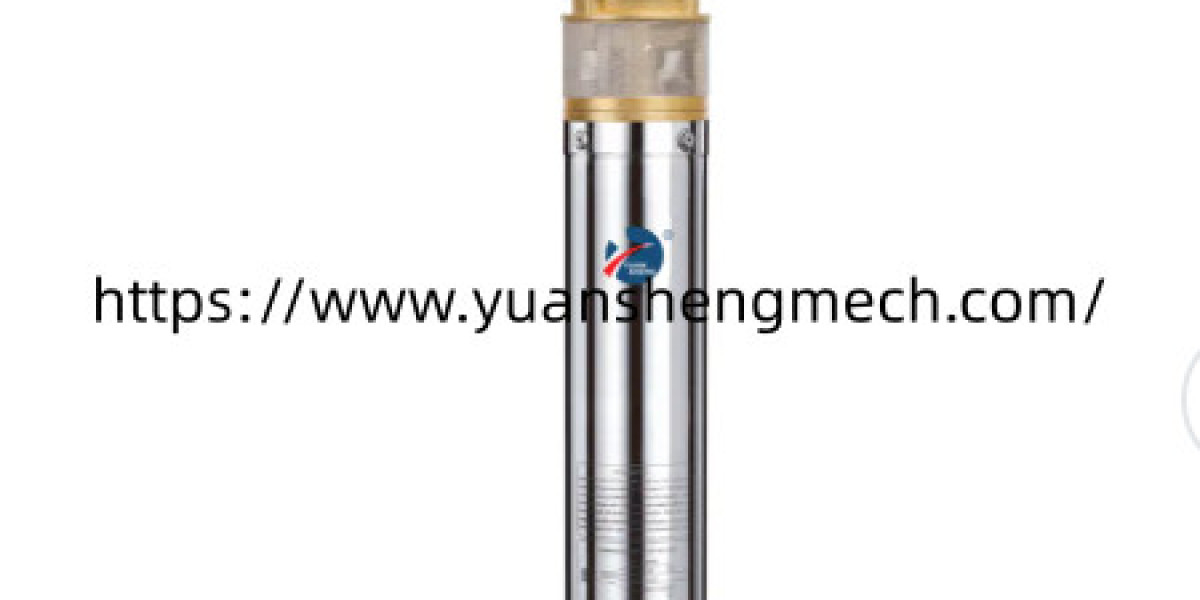
Taizhou Yuansheng Aquacul Ture Machinery Co., Ltd. specializes in aquaculture machinery and offers a range of equipment including floating aerators, impeller aerators, waterwheel aerators, surge aerators, vortex aeration equipment, and submersible pumps. Its product portfolio reflects an approach that connects aeration, water movement, pumping, and broader aquaculture management requirements.
For buyers evaluating pond aeration equipment, material selection, structural design, water movement, transmission technology, installation, maintenance, customization, and everyday handling can be considered together. This makes it easier to connect the aerator with the actual needs of the pond and the people responsible for managing it. More information about Taizhou Yuansheng Aquacul Ture Machinery Co., Ltd. and its aquaculture machinery is available at https://www.yuanshengmech.com/