
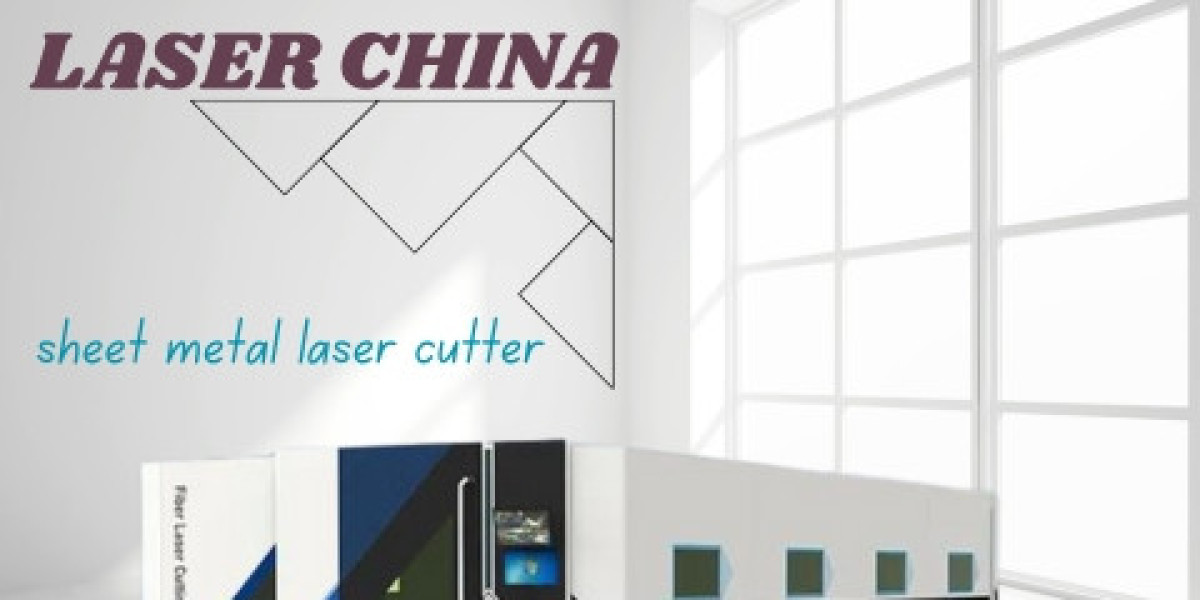
A sheet metal laser cutter is a precision manufacturing system designed to cut metal sheets into specific shapes, sizes, and patterns using a concentrated laser beam. Instead of relying on traditional mechanical cutting tools, laser technology uses controlled thermal energy to process materials with remarkable accuracy. This makes laser cutting suitable for industries that require consistent dimensions, clean edges, and repeatable production.
Sheet metal can be found in countless products, including machine housings, electrical cabinets, automotive components, construction parts, appliances, furniture, and industrial equipment. As manufacturers look for more efficient ways to produce these components, laser cutting has become an important part of modern fabrication.
How a Sheet Metal Laser Cutter Works
The cutting process begins when a laser source generates a high-energy beam. The beam is directed through an optical system and focused onto a precise point on the metal surface. When sufficient energy is concentrated in this small area, the material heats, melts, or vaporizes.
A cutting gas is commonly used during the process to remove molten material from the cutting area. Depending on the metal and application, gases such as oxygen, nitrogen, or compressed air may be selected. The combination of laser power, focused beam diameter, cutting speed, and gas pressure determines how effectively the machine processes the material.
Materials Suitable for Laser Cutting
A modern sheet metal laser cutter can process many commonly used metals. Mild steel is one of the most widely processed materials because it is used extensively in industrial fabrication and structural applications.
Stainless steel is another popular choice, particularly for equipment, architectural components, kitchen products, and decorative applications. Aluminum can also be processed with suitable laser equipment and carefully selected cutting parameters.
Depending on machine configuration and material thickness, manufacturers may also work with galvanized steel, brass, copper, and other metal alloys. Before production begins, operators normally select parameters according to the material type, thickness, required edge quality, and desired production speed.
Preparing Designs for Production
Digital design preparation is an important part of sheet metal laser cutting. Components are generally created using CAD software and converted into a format compatible with the cutting system.
The design should contain accurate dimensions and properly defined cutting paths. Engineers can arrange multiple components on a single sheet through nesting software to make better use of available material. Proper nesting can reduce unnecessary spaces between parts and help organize production efficiently.
Before cutting begins, the operator can review the toolpath and verify important settings. This preparation helps reduce errors and ensures that the finished parts correspond closely with the original design.
Precision in Sheet Metal Fabrication
Precision is particularly important when manufacturing components that must fit together during assembly. A sheet metal laser cutter can follow programmed paths with high repeatability, making it suitable for detailed industrial components.
Small holes, narrow slots, curved profiles, and intricate patterns can be incorporated into a single cutting program. Instead of creating separate templates for different shapes, manufacturers can modify the digital design and send the updated file to the machine.
This digital workflow is especially useful when producing customized components or changing product designs during development.
Cutting Different Sheet Thicknesses
The appropriate laser cutting system depends partly on the thickness of the material being processed. Thin sheet metal can often be cut rapidly using carefully optimized settings, while thicker materials require appropriate laser power, focusing, gas selection, and cutting parameters.
Manufacturers should always select equipment according to their actual production requirements. Material thickness, metal composition, part dimensions, cutting frequency, and expected workload all influence the appropriate machine configuration.
Using suitable parameters is essential because excessive or insufficient laser energy can affect the cutting process and edge quality.
Applications Across Different Industries
Sheet metal laser cutting is used across a broad range of manufacturing sectors. In automotive production, laser-cut components can be used for brackets, panels, structural pieces, and specialized parts.
Industrial machinery manufacturers use laser-cut sheets for machine frames, covers, supports, and equipment enclosures. Electrical and electronics companies may use precisely cut metal sheets to manufacture cabinets and control boxes.
The technology is also useful in construction and architectural fabrication. Decorative panels, signage, metal screens, brackets, and customized structural components can be produced from digitally prepared designs.
Furniture manufacturers can use laser-cut metal for tables, shelving systems, frames, decorative panels, and other products where accurate shapes are required.
Custom Metal Parts and Prototyping
One of the important applications of a sheet metal laser cutter is custom manufacturing. Businesses do not always require thousands of identical components. Sometimes a project needs only a small quantity of specially designed parts.
Because laser cutting is controlled digitally, manufacturers can create a design, prepare the cutting file, and produce the required component without building a dedicated mechanical cutting die.
This makes laser technology useful for prototypes, replacement parts, product development, custom machinery, and limited production runs. Once the design is finalized, the same digital file can also be used for repeat manufacturing.
Production Planning and Workflow
Efficient production involves more than simply cutting metal. Material selection, design preparation, nesting, machine setup, cutting, inspection, and finishing all contribute to the final result.
Operators should check the sheet surface before processing and ensure that the material is positioned correctly. Cutting parameters should be matched to the selected metal and thickness.
After cutting, parts can be inspected for dimensions, edge condition, holes, and overall shape. Depending on the application, additional operations such as bending, welding, drilling, grinding, or surface treatment may follow.
Integrating laser cutting into a well-organized fabrication workflow can help manufacturers maintain consistent production standards.
Choosing the Right Laser Cutting Equipment
When purchasing a laser cutting system, manufacturers should consider their production requirements rather than focusing on a single specification. Laser power is important, but it is only one part of the overall system.
The working area should accommodate the sheet sizes commonly used in production. The control system should support the desired workflow, while the cutting head and motion system should be appropriate for the intended applications.
Manufacturers should also consider machine construction, maintenance requirements, software compatibility, safety systems, technical support, and availability of replacement components.
For businesses processing different materials and thicknesses, selecting a flexible configuration can provide greater opportunities for future production.
Maintaining Cutting Quality
Regular maintenance helps keep a laser cutting system operating consistently. Optical components should be inspected and maintained according to the manufacturer's instructions. Cutting nozzles, lenses, filters, cooling systems, and other components require appropriate care.
The machine should also be kept clean, and operators should monitor changes in cutting performance. If edges become inconsistent or cutting parameters suddenly produce different results, the system should be inspected before continuing large-scale production.
Routine maintenance can also help identify worn components before they interfere with production.
Safety During Laser Cutting
Laser cutting involves high-energy equipment and hot metal, so proper safety procedures are essential. Operators should receive appropriate training and follow the machine manufacturer's operating instructions.
The workspace should have suitable ventilation and safety controls for the specific materials and gases being used. Operators should never bypass machine safety systems or attempt maintenance without following proper procedures.
Material handling is also important because freshly cut metal may have sharp edges and elevated temperatures. Appropriate protective equipment and safe handling practices should be part of the regular production process.
The Future of Sheet Metal Processing
Digital manufacturing continues to influence how metal components are designed and produced. As fabrication businesses demand greater customization and more connected production systems, laser cutting technology continues to develop.
Automation, improved software, more precise motion control, and integrated production monitoring are helping manufacturers organize cutting operations more effectively. These developments can make it easier to move from digital designs to finished metal components while maintaining consistent production standards.
For businesses entering metal fabrication, the sheet metal laser cutter represents an important technology for connecting modern design software with practical manufacturing.
Final Thoughts
A sheet metal laser cutter provides a digital approach to producing accurate metal components for a wide variety of industries. From prototypes and customized parts to repeated industrial production, laser cutting can accommodate many different fabrication requirements when the equipment and parameters are properly selected.