
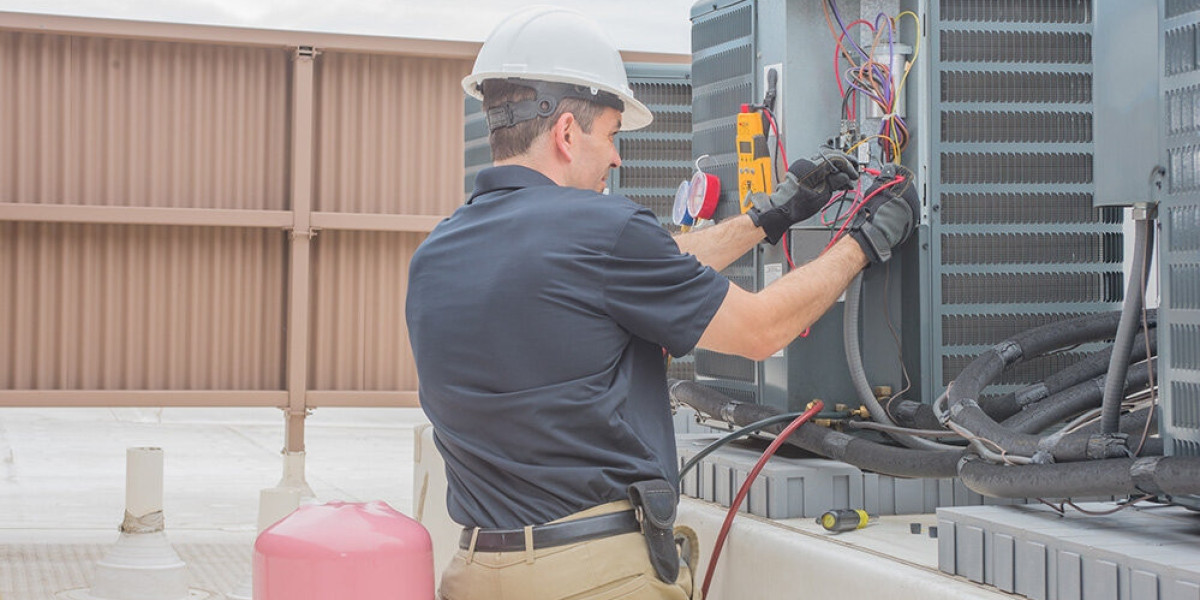
The hum of your building's air conditioning is the soundtrack of productivity. Until it isn't. When the system fails, the impact is immediate and costly. Employees become distracted and sluggish in the stifling heat. Customers or clients notice the discomfort and form a negative impression. Sensitive inventory or equipment might be at risk. For a business owner or facility manager, the decision to install a new commercial AC system is a major capital investment—one that carries significant weight for your operational budget, your team's well-being, and your bottom line.
The stakes are high, and the path is often filled with confusing technical jargon and competing bids. The biggest mistake you can make is treating a commercial ac unit installation like a simple purchase. It’s not. It’s a strategic integration of complex engineering, architectural considerations, and long-term business planning. Choosing the wrong system or the wrong installer can lead to a nightmare of soaring energy bills, constant repair calls, and disrupted operations. This guide cuts through the complexity, providing a clear, step-by-step framework to ensure you select the perfect system and partner for your unique business needs.
The Foundation: Understanding Your Business's Unique Cooling Needs
Before you look at a single model or request a quote, you must become an expert on your own space. The "right" system is entirely dependent on your specific operational profile. A one-size-fits-all approach is a recipe for inefficiency and disappointment.
Conduct a Thorough Needs Assessment
Start by asking fundamental questions about your business and its physical environment:
- What is the primary use of the space? The cooling needs of a busy restaurant kitchen are vastly different from those of a quiet law library or a high-tech server room. A call center with dozens of people and computers generates a massive heat load, while a retail showroom’s main challenge might be heat gain from large sun-facing windows.
- What is your building's layout and occupancy? Consider ceiling height, the number of floors, the layout of interior walls, and the typical number of people in the building during peak hours. An open-plan warehouse requires a different solution than a multi-room medical office.
- What are your operational hours? Do you run a standard 9-to-5, or do you have 24/7 operations? This affects whether a single system can handle the load or if you need a zoned system that can cool specific areas independently during off-hours.
- What are your specific comfort and air quality goals? Beyond temperature, consider humidity control, ventilation, and air filtration. A medical facility may require advanced HEPA filtration, while a museum needs precise humidity control to protect artifacts.
Navigating the System Selection Process
With a clear understanding of your needs, you can now effectively evaluate the technical solutions. This is where partnering with a knowledgeable contractor is invaluable.
The Critical Step: The Load Calculation
Never let a contractor guess your system size. A professional will perform a Manual J calculation, an industry-standard engineering analysis that determines the exact amount of heating and cooling your building needs. It factors in everything: insulation, window types, roof color, air leakage, internal heat from lights and equipment, and even the local climate. This prevents the two most common and costly mistakes: an oversized system that short-cycles (wasting energy and failing to dehumidify) and an undersized system that struggles to keep up.
Exploring Your System Options
A professional Commercial HVAC Installation contractor will explain the pros and cons of different system types. Common options include:
- Rooftop Units (RTUs): These are all-in-one systems commonly seen on shopping centers, warehouses, and low-rise office buildings. They are space-efficient, as all components are housed on the roof, and they are generally easier and less disruptive to install.
- Split Systems: Similar to residential systems but on a larger scale, these have an outdoor condenser and an indoor air handler. They are a good fit for buildings where roof space is limited or interior zoning is a high priority.
- Variable Refrigerant Flow (VRF) Systems: This is a more advanced technology that allows for simultaneous heating and cooling in different zones of the building. VRF systems are incredibly energy-efficient and offer superior zoning control, making them ideal for multi-use buildings like mixed-use developments or large corporate headquarters, though they have a higher upfront cost.
Prioritizing Energy Efficiency
Look for systems with high efficiency ratings. For commercial equipment, this is often measured by SEER (Seasonal Energy Efficiency Ratio) and EER (Energy Efficiency Ratio). A higher rating means lower operational costs. While more efficient units cost more upfront, the long-term savings on your utility bills can be substantial. This is a critical part of your return on investment (ROI) calculation.
Choosing the Right Installation Partner
The quality of the equipment is only half the battle. The skill of the installer determines the system's performance, efficiency, and lifespan.
Vetting Commercial HVAC Contractors
Your choice of contractor is as important as your choice of equipment. Look for a partner, not just a vendor.
- Specialization and Experience: Ensure the company specializes in commercial, not just residential, work. Ask for references and case studies from projects similar to yours. A contractor who primarily installs systems in homes may not be equipped to handle the complexities of a commercial building.
- Licensing, Insurance, and Certifications: Verify that the company is properly licensed and carries ample liability and workers' compensation insurance. Manufacturer certifications (like from Trane, Carrier, or Lennox) indicate that their technicians are trained to install that specific equipment correctly.
- The Bid Should Be a Proposal, Not Just a Price: A trustworthy contractor will provide a detailed proposal that includes the load calculation, specific model numbers, a scope of work, a project timeline, and a clear breakdown of costs. Be wary of a bid that is just a bottom-line number.
The Installation Process and Long-Term Value
A professional installation is a meticulous process, not a rushed job.
What a Quality Installation Looks Like
A reputable crew will focus on the entire system, not just the main unit. This includes:
- Proper Sizing and Placement: Ensuring the unit is correctly positioned for airflow, service access, and noise mitigation.
- Expert Ductwork and Sealing: Designing and installing ductwork that delivers air efficiently without leaks, which can account for significant energy loss.
- Precision Electrical and Refrigerant Work: Making secure electrical connections and charging the refrigerant to the manufacturer's exact specifications.
- System Commissioning: This is the final and critical step. The contractor will test every component, measure airflow and refrigerant levels, and verify that the entire system is operating at its peak documented efficiency before handing it over to you.
The Tangible Benefits of Getting It Right
When you invest the time and resources into a proper commercial ac unit installation, the rewards are substantial and long-lasting:
- Maximized Energy Efficiency and Lower Operating Costs: A correctly sized and installed system uses the minimum amount of energy, directly reducing your monthly utility overhead.
- Enhanced Employee Productivity and Customer Comfort: A consistent, comfortable environment helps your team stay focused and makes a positive impression on anyone who walks through your doors.
- Improved Reliability and Reduced Downtime: Quality equipment installed correctly breaks down less often. This means fewer interruptions to your business operations and lower long-term repair costs.
- Protected Warranty and Asset Value: Most manufacturer warranties require professional installation to be valid. A proper installation protects your investment and extends the system's lifespan, maintaining the value of this critical business asset.
Choosing the right commercial HVAC installation is a strategic business decision. It’s an investment in your operational stability, your team’s well-being, and your company’s financial health. By thoroughly assessing your needs, understanding the technology, and, most importantly, selecting an experienced and reputable partner, you can ensure your business stays cool, comfortable, and productive for years to come.