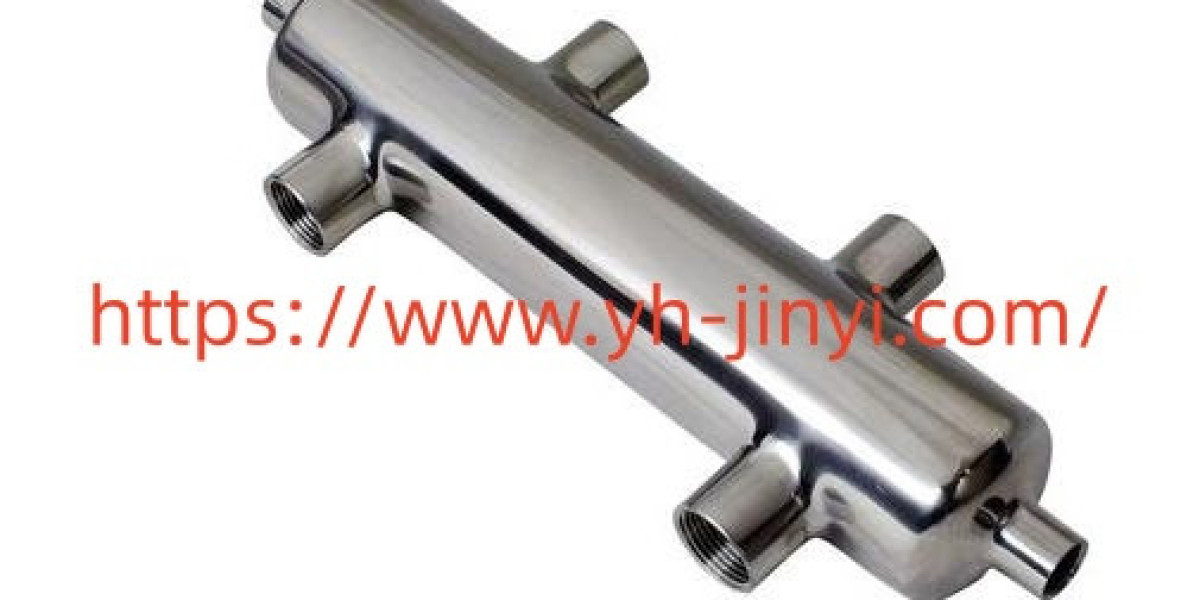
Decoupling Tank assessment is an important part of maintaining stable hydraulic operation in heating, cooling, or mixed-flow systems. When a tank begins to age or its interior conditions change, flow imbalance, pressure fluctuation, and overall system stress may increase. Identifying the right moment to replace the component helps facilities reduce operational risks and sustain predictable performance.
One of the earliest indicators that replacement may be necessary is unusual pressure variation. When the internal separation effect weakens, the system may show inconsistent readings during circulation cycles. These irregularities often appear in buildings with heavy thermal loads or frequent load switching. If the system requires ongoing adjustments or exhibits repeated flow instability, it may be time to review the condition of the tank.
Corrosion development is another common factor. Over years of operation, moisture, chemical reactions, or contaminants can gradually affect the internal surfaces. Even minor corrosion can progress into structural issues if not monitored. When technicians discover surface deterioration, sediment accumulation, or compromised welds, scheduling a replacement becomes a practical step toward preventing unexpected faults. A manufacturer such as JINYI designs its tanks with durable structure, but regular inspection is still essential.
Temperature imbalance between primary and secondary circuits can also signal declining performance. The decoupling function relies on stable separation of loops, and when the tank loses efficiency in this role, temperature differences may appear irregular. This can place stress on pumps, valves, and connected units. Facilities aiming to maintain stable operating schedules should evaluate whether the tank still fulfills its balancing purpose.
Noise and vibration sometimes accompany tank deterioration. If the system experiences pulsation or unexpected resonance, these symptoms may come from flow interference inside the tank. While not always severe, these signs should be reviewed because they often reveal deeper issues that may lead to operational disruption.
Another consideration is operational history. Systems running at continuous or high-load conditions may require replacement sooner than systems operating intermittently. Reviewing installation age, working cycles, and maintenance logs helps determine a practical replacement interval. JINYI incorporates reliable configurations to support long-term use, yet every tank eventually reaches a point where replacement becomes a more effective option than repair.
Replacement planning should also consider future scalability. Facilities expecting load expansion or performance upgrades may choose to replace an aging tank with a more suitable model. This ensures that hydraulic separation remains stable even as demands increase. Evaluating system capacity alongside equipment condition helps avoid situations where outdated components hinder efficiency or complicate expansion.
Technicians often examine flow distribution patterns to judge system condition. When imbalances persist despite pump checks and valve calibration, the tank may no longer offer effective decoupling. Replacing it restores predictable flow paths and reduces unnecessary strain on connected equipment.
Safety remains the overarching reason for timely replacement. A well-functioning tank stabilizes pressure fluctuations and prevents unnecessary stress on the system. An aging or compromised tank increases the risk of irregular performance, which can eventually lead to equipment damage or operational downtime. JINYI aims to support facilities with structured design that aligns with these practical requirements.
Facility managers reviewing replacement options or comparing model features can refer to https://www.yh-jinyi.com/product/ for category references that support various project needs and operational environments. Selecting the right tank and replacing aging units at the correct time helps maintain safe, reliable, and consistent system operation.