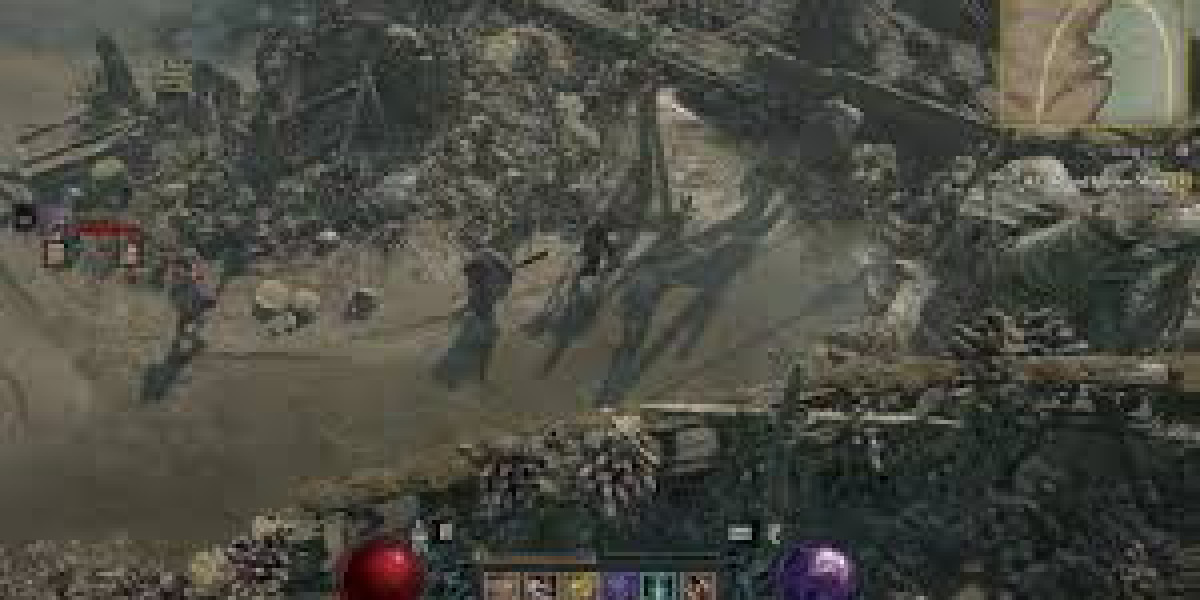
The power of Diablo 4 extends far beyond its intricate skill trees and relentless combat. It is equally rooted in the profound, atmospheric weight of its world. Sanctuary is not merely a backdrop for slaughter; it is a character in its own right—a land steeped in grief, decay, and a haunting, melancholic beauty. This carefully crafted ambiance, achieved through visual design, soundscape, and environmental storytelling, elevates the experience from a simple hack-and-slash to a genuinely immersive Gothic fantasy.
From the moment players step into the rain-slicked, muddy streets of Fractured Peaks, the tone is set. This is a world broken by perpetual conflict. The art direction masterfully employs a muted, earthy color palette, punctuated by the hellish glow of demonic corruption or the eerie bioluminescence of forgotten caves. Crumbling Gothic architecture, overgrown with roots and stained by time, speaks of lost grandeur. Vast, desolate landscapes—like the wind-scarred deserts of Kehjistan or the tangled, oppressive forests of Scosglen—create a constant sense of scale and isolation. The weather system is not just cosmetic; a sudden blizzard in the peaks or a swirling sandstorm in the desert can reduce visibility, altering the mood and tactical feel of exploration in an instant.
The auditory landscape is equally essential in building this atmosphere. The soundtrack, composed by a team including series veteran Ted Reedy, is a masterpiece of somber melodies and unsettling dissonance. In towns, soft, sorrowful chords offer a fragile sense of respite. In the open world, ambient sounds—the howl of the wind, the creak of dead trees, the distant, inhuman cries of monsters—create a pervasive sense of unease. The sound design during combat is visceral and impactful, but it is in the quiet moments that the audio truly shines, making the world feel alive, lonely, and deeply haunted by its past.
This environmental storytelling is subtle yet pervasive. Players are not just told about the devastation; they witness it firsthand. A skeleton clutching a child's toy in a ruined cabin, a series of desperate notes on a corpse detailing a family's last stand, a once-grand cathedral now defiled with demonic sigils and sacrificial altars—these silent vignettes are scattered everywhere. They require no quest marker, offering optional but deeply affecting narratives that paint a picture of a society crumbling from within long before the gates of Hell fully opened.
Ultimately, the dark atmosphere of Diablo 4 is fundamental to its identity. It provides the necessary contrast that makes the player's power fantasy meaningful. The light of your spells cuts through a palpable darkness; your victories feel significant because they occur in a world that feels genuinely lost and oppressive. This commitment to tone ensures that Sanctuary is more than just a game level; it is a believable, tragic, and breathtakingly beautiful world worth fighting for, even in the face of seemingly endless despair.