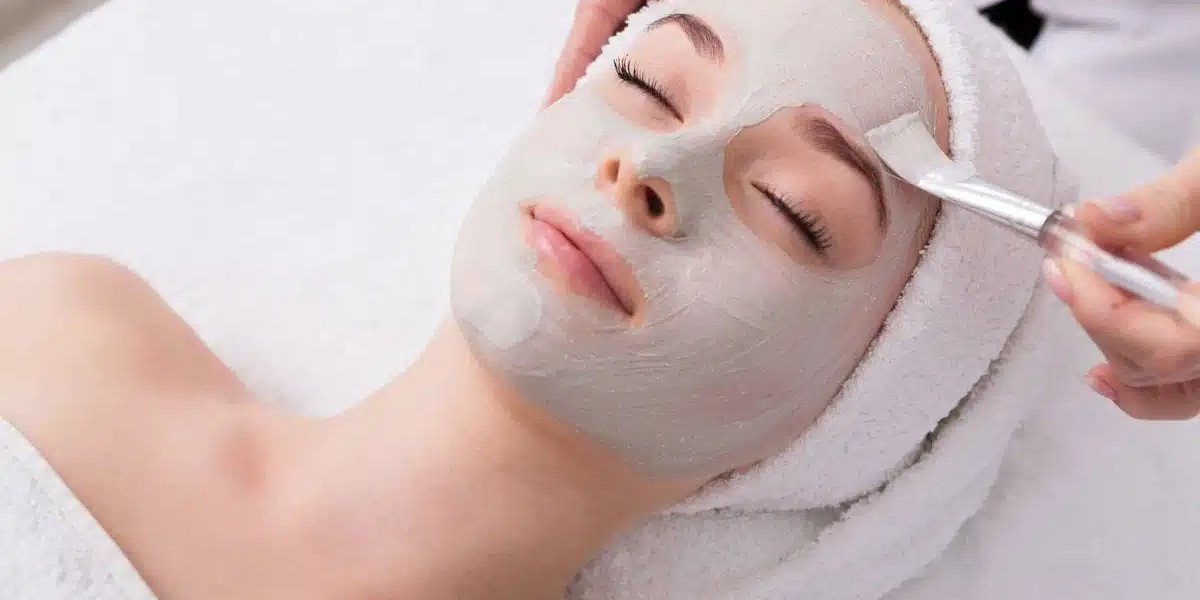
A chemical peel reveals fresher, brighter, healthier-looking skin — but what you apply afterward matters just as much as the treatment itself. The wrong moisturizer can sting, irritate, or even delay healing, while the right one supports recovery, soothes sensitivity, and locks in hydration.
Whether you’re having a Chemical peel in Islamabad or anywhere else, dermatologist guidance is essential. After a peel, the skin barrier becomes temporarily weaker, meaning it needs gentle, protective care — not harsh actives or fragranced products.
Below, we’ll break down the best types of moisturizers to use after chemical peels, what ingredients to avoid, and how to choose products that keep your results smooth and radiant.
Why Moisturizing After a Chemical Peel Is So Important:
After a peel, the outer skin layers begin shedding. During this phase, your skin:
loses moisture faster
feels tight, itchy, or dry
becomes more sensitive to the sun
is more vulnerable to irritation
A healing moisturizer helps:
restore the skin barrier
calm redness and burning
reduce flaking discomfort
support faster recovery
maintain smoother post-peel results
Think of moisturizer as your skin’s protective blanket — especially in the first 7–14 days.
What Makes a Good Post-Peel Moisturizer?
Dermatologists usually recommend formulas that are:
fragrance-free
hypoallergenic
non-comedogenic (won’t clog pores)
rich yet soothing
simple — with minimal active ingredients
You don’t need fancy anti-aging additives at this stage. Healing first, performance later.
Clinics and medically supervised centers — including reputable royal cosmetic surgery facilities — often provide or recommend specific post-procedure moisturizers because they’re tested for sensitive, healing skin.
Best Ingredient Families for Post-Peel Skin:
When scanning labels, look for these dermatologist-loved ingredients.
1. Ceramides:
Ceramides act like “mortar” between your skin cells, repairing the barrier and locking in moisture.
Benefits:
reduces dryness
strengthens thinning skin
improves comfort
Many post-procedure creams rely on ceramides as their base.
2. Hyaluronic Acid:
A lightweight hydrator that draws water into the skin, helping relieve tightness without clogging pores.
Great for:
dehydrated skin
redness
sensitivity
It works best when sealed with a thicker moisturizer on top.
3. Panthenol (Pro-Vitamin B5):
This soothing ingredient:
calms irritation
speeds healing
improves softness
Ideal for peeling or itchy skin.
4. Glycerin:
A gentle hydration hero that attracts moisture and keeps skin supple without being heavy.
5. Shea Butter and Squalane:
These replenish lost lipids and create a protective barrier. Perfect for moderate to deeper peels — but use sparingly if acne-prone.
Popular Dermatologist-Recommended Categories:
Rather than focusing on brand names, think categories.
Barrier Repair Creams:
Best for medium or strong peels. Thick, cushiony, and protective.
Gel-Cream Hydrators:
Great for oily or acne-prone skin, giving hydration without heaviness.
Ointment-Based Soothers:
Sometimes suggested for aggressive peels to reduce water loss — but only if your dermatologist advises.
How Often Should You Moisturize?
In the first few days, dermatologists often recommend:
Morning: gentle cleanser + moisturizer + sunscreen
Midday if needed: dab on moisturizer
Night: gentle cleanser + moisturizer (slightly thicker layer)
If your skin still feels tight, you can reapply — there’s no strict limit. The goal is comfort without clogging.
Ingredients to AVOID After a Chemical Peel:
Even if you normally use active skincare, press pause during healing.
Avoid:
retinoids and retinol
vitamin C (strong L-ascorbic acid)
AHAs/BHAs (glycolic, lactic, salicylic)
scrubs or exfoliating brushes
benzoyl peroxide
alcohol-heavy toners
essential oils and fragrance
whitening/bleaching creams unless prescribed
Using these too soon can cause burning, dark marks, or delayed recovery.
Sunscreen + Moisturizer: A Critical Duo:
Moisturizer alone is not enough. Your new skin is extra sensitive to UV rays. Daily SPF 30+ is non-negotiable — even indoors.
Moisturizer first, then sunscreen.
Sun protection not only preserves results but also helps prevent pigmentation, especially for those evaluating Chemical peel cost and expecting long-lasting benefits.
Does Chemical Peel Cost Include Aftercare?
This varies by clinic. Sometimes costs include:
post-procedure creams
follow-up visits
medical guidance
Other times, moisturizers and sunscreens are purchased separately.
Factors that affect Chemical peel cost include:
peel depth and type
dermatologist experience
clinic quality
number of sessions
aftercare products provided
Investing in proper aftercare products is part of protecting your results — not an optional extra.
Common Mistakes People Make After Peels:
Dermatologists frequently warn against:
picking peeling skin
skipping moisturizer to “speed peeling”
using harsh actives too soon
sleeping without sunscreen during the day (yes, UV comes through windows)
choosing random products from social media trends
Healing skin is fragile — treat it gently.
When to Call Your Dermatologist:
Mild redness, dryness, and flaking are normal. But contact your provider if you notice:
severe burning pain
pus-filled bumps
unusual swelling
dark patches forming rapidly
signs of infection
Professional guidance prevents complications.
Final Thoughts: Moisturizing Makes All the Difference:
Chemical peels are powerful — but they require thoughtful aftercare. The right moisturizer supports healing, reduces irritation, and protects your refreshed new skin.
If you’re planning a Chemical peel in Islamabad, comparing Chemical peel cost, or receiving treatment at clinics like those offering services under royal cosmetic surgery, ask your dermatologist which moisturizer suits your skin type and peel strength.
Healthy healing today means brighter, smoother, longer-lasting results tomorrow.