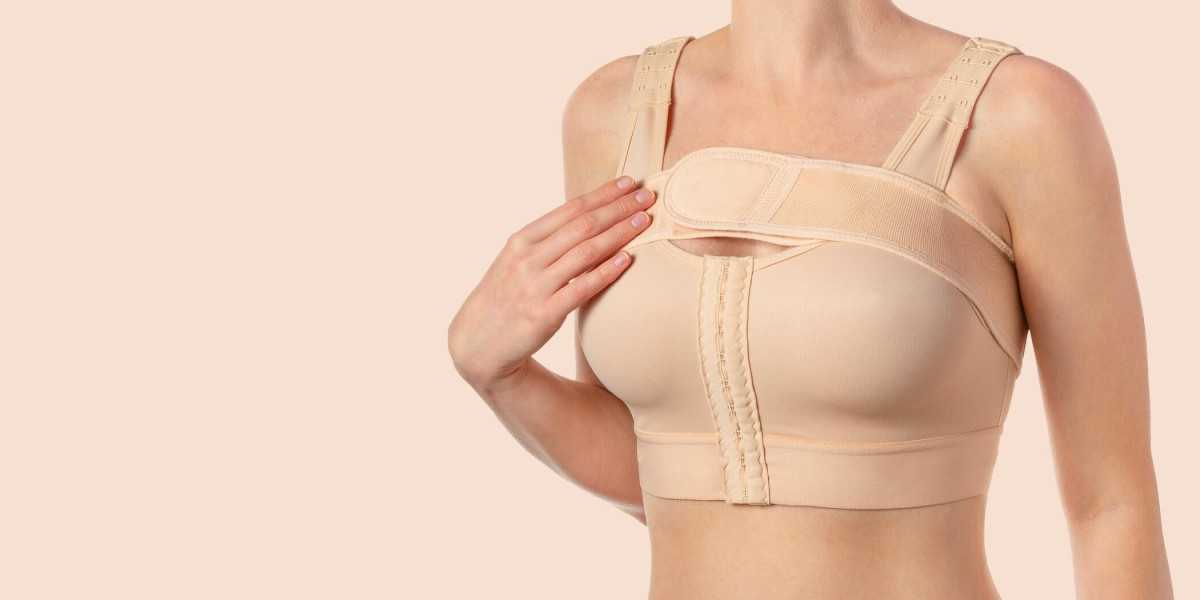
Breast reduction surgery can significantly improve comfort, posture, and quality of life. However, recovery requires temporary adjustments to daily routines—one of the most common concerns being when it’s safe to drive again. Driving too soon after surgery can increase discomfort, delay healing, and pose safety risks.
Understanding the right time to return to driving helps ensure a smooth and safe recovery while protecting your surgical results.
Why Driving After Breast Reduction Requires Caution:
Driving involves more than just sitting behind the wheel. It requires arm movement, upper-body strength, quick reaction time, and the ability to turn the steering wheel without pain.
Patients who undergo Breast reduction in Islamabad are usually advised to avoid driving during the early recovery period because chest tightness, swelling, and limited arm mobility can interfere with safe vehicle control.
The First Few Days After Surgery:
During the first 3–5 days after breast reduction, driving is strongly discouraged. At this stage, the body is still recovering from anesthesia, and pain medications may cause drowsiness or delayed reactions.
Common early recovery symptoms include:
Chest tightness and swelling
Limited arm movement
Fatigue
Use of prescription pain medication
Driving under these conditions is unsafe for both the patient and others on the road.
Pain Medication and Driving Safety:
One of the most important rules is never to drive while taking prescription painkillers. These medications can impair judgment, reaction time, and alertness.
Even if you feel physically capable, driving while medicated increases accident risk and should be avoided. You should only consider driving once you have fully stopped using prescription pain relief and feel alert.
Arm Mobility and Steering Control:
Turning the steering wheel, checking blind spots, and performing sudden movements require full arm and shoulder mobility. After breast reduction, arm movement may feel restricted for the first couple of weeks.
Driving too early can:
Strain healing incisions
Increase swelling
Cause discomfort or sharp pain
Affect steering control
Most surgeons recommend waiting until arm movement feels natural and pain-free.
When Can Most Patients Drive Again?
While recovery timelines vary, many patients can safely return to driving 7–14 days after surgery, provided certain conditions are met.
You may be ready to drive if:
You are no longer taking prescription pain medication
You can comfortably turn the steering wheel
You can wear a seatbelt without pain
You can react quickly without hesitation
Always follow your surgeon’s specific advice, as individual recovery can differ.
The Importance of the Seatbelt:
Seatbelts can place pressure directly across the chest, which may be uncomfortable during early recovery. Before driving, ensure that wearing a seatbelt does not cause pain or press on sensitive areas.
Some patients use a soft cushion or padding between the chest and seatbelt during the first few weeks to increase comfort.
Short Trips vs Long Drives:
When you first return to driving, start with short trips close to home. Long drives can increase swelling and fatigue, especially in the early weeks.
Tips for early driving:
Keep trips short
Avoid heavy traffic
Take breaks if needed
Maintain good posture
Gradually increase driving time as comfort improves.
Can Driving Affect Healing?
Yes, driving too soon can affect healing. Sudden braking, sharp turns, or even reaching movements can stress the chest muscles and surgical sites.
Avoiding unnecessary strain during the early weeks helps:
Reduce swelling
Protect incisions
Prevent complications
Support proper scar healing
Patience during recovery leads to better long-term results.
Returning to Daily Independence:
Driving represents independence, especially for work, school, or family responsibilities. While it may feel inconvenient to wait, prioritizing healing ensures a smoother recovery.
Planning ahead by arranging transportation with family or friends during the first couple of weeks can reduce stress and allow you to recover properly.
What If You Feel Ready but Aren’t Sure?
If you feel physically ready but are unsure, it’s best to consult your surgeon before driving. Surgeons evaluate healing progress, mobility, and overall readiness during follow-up visits.
Never rush the process—listening to professional guidance helps prevent setbacks.
Individual Recovery Varies:
Factors that influence how soon you can drive include:
Extent of breast reduction
Individual pain tolerance
Overall health
Healing speed
Some patients may feel comfortable sooner, while others may need additional time. There is no universal timeline.
Final Thoughts:
Driving after breast reduction should only be resumed when you feel physically comfortable, pain-free, and fully alert. Rushing back too soon can compromise safety and healing. Taking the time to recover properly ensures better results and long-term comfort.
For expert surgical care, personalized recovery guidance, and trusted support throughout your healing journey, consult the specialists at Royal cosmetic surgery clinic to ensure a safe and confident return to everyday activities.