
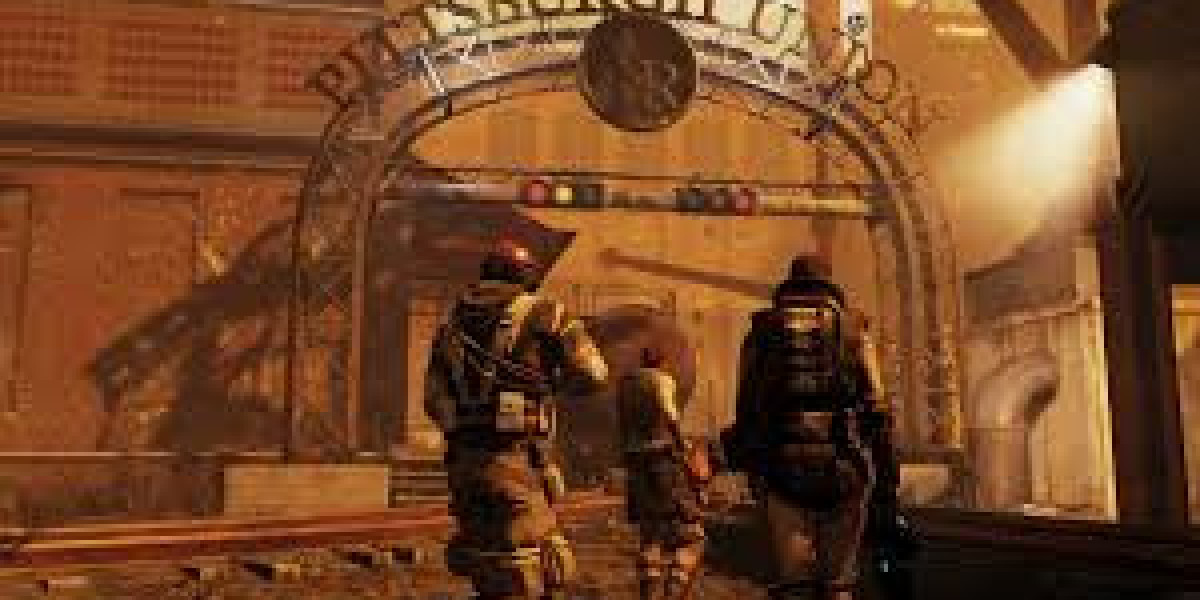
Fallout 76 stands apart from traditional post-apocalyptic RPGs by placing community at the heart of its design. Instead of guiding players through a strictly scripted narrative, the game offers a shared world where stories emerge naturally through exploration, survival, and interaction. Set in a version of Appalachia reshaped by nuclear devastation, the experience focuses less on saving the world in a single heroic moment and more on learning how to live in it together.
The environment immediately establishes tone and purpose. Vast forests, ruined towns, and industrial sites stretch across the map, each filled with subtle clues about the past. The absence of many living NPCs shifts attention toward environmental storytelling. Audio logs, abandoned camps, and damaged machinery quietly describe how society collapsed and how people tried, and failed, to adapt. This approach invites players to become active participants in uncovering history rather than passive observers.
Survival systems reinforce the harshness of the setting. Hunger, thirst, and limited resources push players to think carefully about every journey. Even basic tasks such as traveling between locations require preparation, making the world feel dangerous and unpredictable. Crafting plays a key role here, turning scavenged junk into weapons, armor, and supplies. This constant loop of risk and reward creates a sense of authenticity, as survival feels earned rather than guaranteed.
Base building further strengthens player identity within the world. Camps are more than simple shelters; they represent personal progress and creativity. Players can design functional outposts, welcoming trading hubs, or visually striking homes perched on cliffs and riversides. These structures dot the landscape, acting as reminders that humanity is slowly reclaiming what was lost. Seeing another player’s camp can feel like discovering a sign of life in an otherwise hostile land.
Combat in Fallout 76 blends familiar role-playing mechanics with the tension of a shared environment. Enemies range from feral creatures to heavily armed factions, each requiring different strategies. Because the world is persistent, encounters can be unpredictable. A quiet exploration can quickly turn into a desperate fight, especially when unexpected threats appear. This uncertainty keeps players alert and invested in their surroundings.
What truly defines the experience, however, is player interaction. Cooperative events encourage teamwork against powerful enemies, while casual encounters often lead to spontaneous cooperation. Players may share resources, defend each other, or simply acknowledge one another before moving on. These small moments build a sense of community that feels organic rather than forced.
Fallout 76 Boosting is not just about surviving a nuclear wasteland, but about redefining what society can become after collapse. Through exploration, creation, and cooperation, players shape a living world that reflects resilience and shared effort. The game’s lasting appeal lies in this balance between isolation and connection, proving that even in ruin, a sense of belonging can still be forged.