As education consultants guide Indian students through international applications season after season, we notice the USA keeps drawing serious interest for MBAs. It's not just tradition, it's the mix of factors that still gives it an edge, even with strong competition from Europe, Canada, and elsewhere. In early 2026, nothing has flipped the script dramatically, but updated rankings, steady work options, and evolving program tweaks keep the case solid for many.
The Reputation Holds Strong Globally
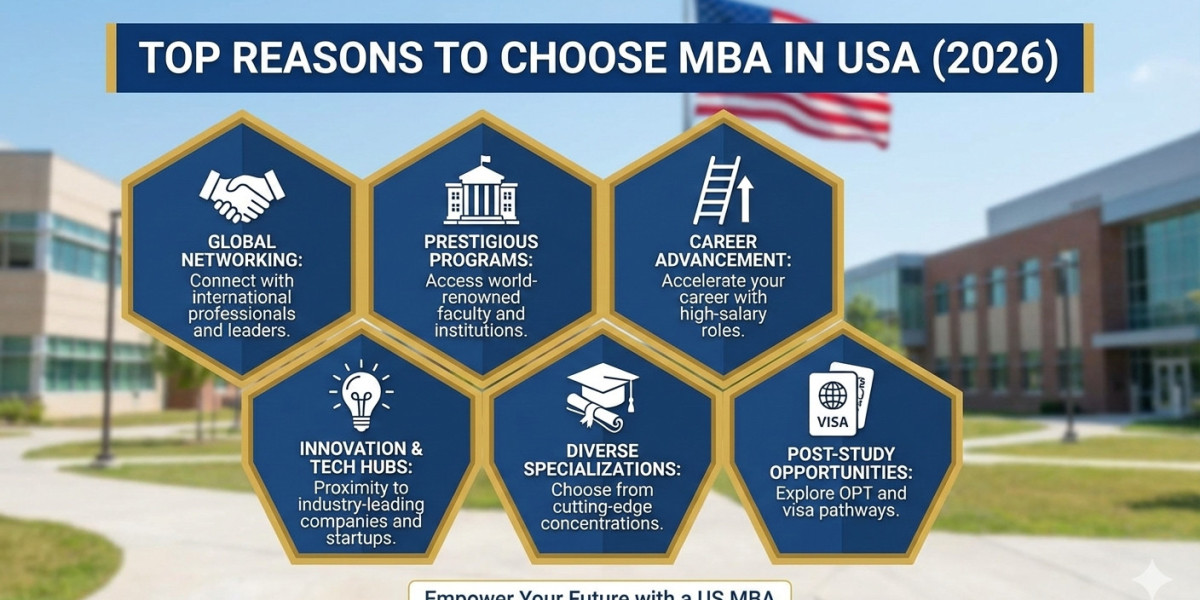
US business schools continue to lead most rankings. According to the QS Global MBA Rankings 2026, The Wharton School at Penn sits at #1 worldwide, with Harvard Business School at #2 and MIT Sloan at #3. Stanford GSB is #4, followed by a few European names, but the top US programs dominate the conversation. This ranking reflects things like employability, alumni outcomes, and thought leadership.
For Indian students, this translates to real recognition. Recruiters at home, whether in IT giants, consulting firms, banking, or family businesses, value the analytical depth, leadership focus, and exposure that come with a US degree. It often stands out on resumes when competing for roles in India or abroad.
Plenty of Choices Across Tiers and Focus Areas
The US has the biggest pool of highly regarded programs. You have the ultra-competitive ones (Wharton, Harvard, Stanford, Booth, Kellogg) and then a long list of very capable schools like Michigan Ross, NYU Stern, UCLA Anderson, Texas McCombs, or UNC Kenan-Flagler. Many have built in specializations or tracks in areas Indian applicants target: business analytics, fintech, supply chain, sustainability, healthcare, or tech management.
This variety means there's often a realistic match, whether your profile is top-tier with high GMAT/GRE scores and years of experience, or more balanced but strong in other ways. Outcomes remain solid across these levels.
Post-Study Work Options Are Still a Standout Feature
The F-1 visa's Optional Practical Training (OPT) gives 12 months of work authorization post-graduation. For programs with STEM designation (now common in MBAs with analytics, data, tech, or fintech elements), you can extend by another 24 months, totaling 36 months. As of 2026, this extension remains in place and is a key advantage for gaining US experience, earning in dollars, repaying loans, and positioning for longer-term opportunities like H-1B.
Few other countries match this duration, and it often makes the biggest difference in return on investment for international students.
Networking Built Right Into the Experience
US schools treat networking as a core curriculum. Expect structured alumni events, career treks to companies, guest speakers, industry panels, and student-led clubs. The alumni networks are vast, with active Indian groups in cities like New York, Chicago, San Francisco, and even back in Mumbai or Bangalore. Many graduates tell us these connections lead to job leads, mentorship, or partnerships years later, it's practical, not just feel-good.
Program Formats That Adapt to Different Needs
Options go beyond the classic two-year full-time: one-year accelerated MBAs, part-time, executive formats, or hybrid/online elements. This flexibility helps match career stage, family situation, or financial planning. Schools have expanded these to attract more international talent.
Cost of Doing an MBA in USA for Indian Students
Costs vary a lot. At elite programs, tuition often runs $80,000-$100,000 per year (sometimes including fees), so two years can hit $160,000–$200,000+ before living expenses. Adding housing, food, insurance, and other costs pushes totals to $200,000-$300,000 or more (roughly ₹1.8-2.7 crore at current exchange rates around 90-91 INR per USD).for more information read Cost of Doing an MBA in USA for Indian Students.
More accessible schools, public flagships or strong mid-tier privates, often charge $30,000-$60,000 annually in tuition. Living expenses drop significantly outside big coastal cities; places like Austin, Pittsburgh, Bloomington, or Atlanta keep annual costs lower.
Scholarships make a real dent: many programs offer merit aid, fellowships, or assistantships to internationals, sometimes covering 20–50% of tuition. Campus jobs, internships during the program, and careful budgeting help too. With planning, a lot of Indian students land in the ₹50–100 lakh total net cost range, especially at non-M7 schools.
Wrapping It Up Realistically
The US isn't always the simplest or cheapest path. Visa processes take effort, top admissions are highly competitive (acceptance rates stay low), and immigration rules can shift, though the STEM OPT framework is holding steady for now. Financing needs to be thoughtful, and no program guarantees outcomes.
That said, for those aiming at global careers, strong brand recognition, extended work rights, deep networks, and specialized skills that transfer well, the USA still delivers one of the most complete packages in 2026. If it aligns with your goals, it's worth pursuing seriously.
For personalized advice profile evaluation, school shortlisting, scholarship strategies, or application support, reach out to study in USA consultants in India who focus on business programs. They can help navigate the specifics. And always cross-check the most current info on official university sites, since fees, deadlines, and requirements do change year to year.