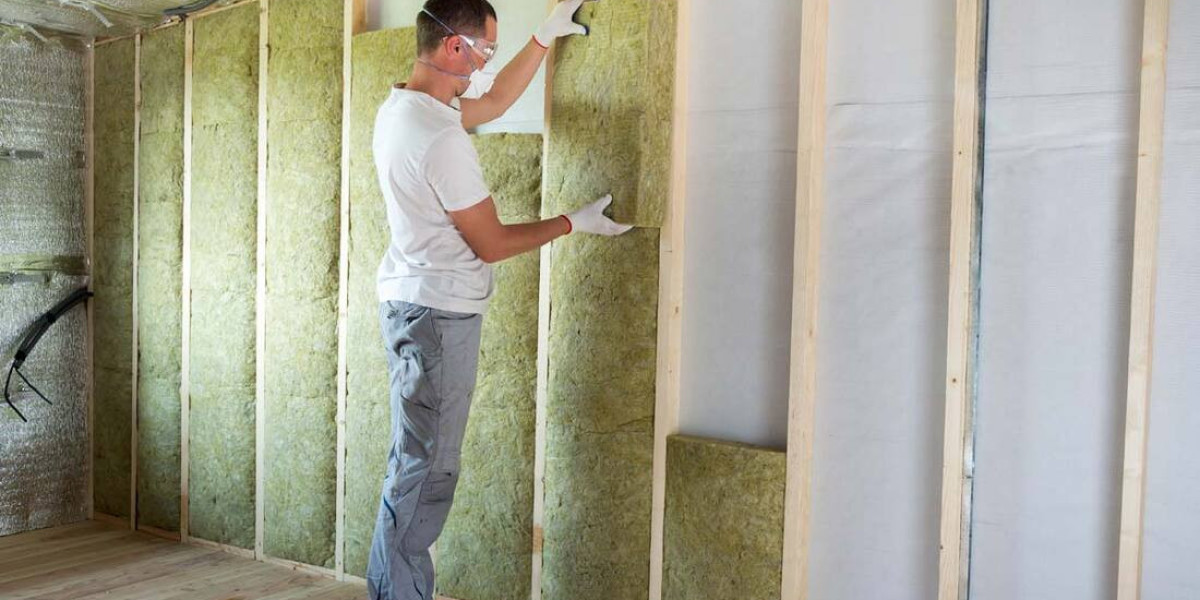
If your home feels cold in the winter, warm in the summer, or your energy bills seem higher than they should be, your walls may be the reason. Many homeowners focus on attic insulation first (which is important), but wall insulation plays a huge role in keeping your indoor temperature stable and comfortable.
At Kent Spray Foam Insulation in Kent, WA, we often meet homeowners who are surprised to learn how much energy can escape through poorly insulated walls. The good news is that wall insulation is one of the best long-term improvements you can make. It can help lower heating and cooling costs, reduce outside noise, improve indoor air quality, and make your living space feel more consistent all year.
In this guide, we’ll explain what wall insulation is, why it matters, and how to choose the right solution for your home in Kent.
What Is Wall Insulation?
Wall insulation is a material installed inside the exterior (and sometimes interior) walls of a home or building. Its main job is to slow down heat transfer. That means it helps keep warm air inside during the winter and blocks hot air from entering during the summer.
In a properly insulated home, your HVAC system doesn’t have to work as hard, because the temperature stays stable longer. This is especially helpful in the Pacific Northwest where weather can shift quickly and moisture control is also important.
Why Wall Insulation Matters in Kent, WA
Kent experiences chilly winters, damp conditions, and warm summer days that can make indoor comfort difficult without proper insulation. Homes with poor wall insulation may experience:
Cold or drafty rooms
Uneven temperatures between floors
High energy bills
Walls that feel cool to the touch
Noise problems from roads or neighbors
Moisture issues that can lead to mold
With quality wall insulation, you create a stronger barrier between your home and the outside elements.
Benefits of Wall Insulation for Your Home
Here are some of the biggest reasons homeowners invest in wall insulation:
1. Better Energy Efficiency
Insulated walls reduce heat loss and heat gain, helping your home stay comfortable while using less energy.
2. More Consistent Indoor Comfort
No more hot and cold spots from room to room. Wall insulation improves temperature balance throughout the home.
3. Lower Heating and Cooling Costs
When your HVAC system runs less often, your monthly utility bills typically go down.
4. Reduced Noise
Wall insulation can make a noticeable difference in sound control, helping block outside noise like traffic, barking dogs, or loud neighbors.
5. Added Home Value
Energy-efficient upgrades like wall insulation can be a strong selling point if you plan to list your home in the future.
6. Moisture Control Support
Some insulation materials, especially spray foam, help reduce moisture movement, which can protect your walls from long-term damage.
Common Signs Your Walls Need Insulation
Not sure if your home needs wall insulation? Here are some common warning signs:
Rooms feel uncomfortable even when the heater or AC is running
You notice drafts near outlets or baseboards
Indoor temperature changes quickly after the HVAC turns off
Your energy bills keep increasing
Walls feel cold during winter months
You hear too much outside noise indoors
Older home with little or no insulation installed
If any of these sound familiar, wall insulation could be the solution.
Types of Wall Insulation (And How to Choose)
There isn’t a one-size-fits-all option. The right insulation depends on your home’s age, wall structure, budget, and comfort goals. Here are the most common types:
Fiberglass Batt Insulation
This is the classic insulation found in many homes.
Pros: Affordable and widely available
Cons: Can leave gaps and doesn’t air seal well on its own
Blown-In Cellulose or Fiberglass
This insulation is often installed into existing walls through small access holes.
Pros: Great for retrofit projects
Cons: May settle over time and doesn’t always block air leaks
Spray Foam Wall Insulation
Spray foam expands to fill cracks and gaps, creating an insulation and air-sealing barrier at the same time.
Pros: Excellent energy efficiency, reduces air leakage, long-lasting
Cons: Higher upfront cost compared to fiberglass
At Kent Spray Foam Insulation, spray foam is one of our top recommendations for homeowners who want maximum performance and comfort.
Open-Cell vs. Closed-Cell Spray Foam for Walls
Spray foam comes in two main types:
Open-Cell Spray Foam
Softer texture and expands more
Provides strong air sealing and sound reduction
Often used for interior wall cavities
Closed-Cell Spray Foam
Denser, more rigid, and highly durable
Higher insulation value per inch
Adds strength and improves moisture resistance
For wall insulation in Kent, WA, closed-cell spray foam is especially popular for areas needing added moisture protection, while open-cell can be great for sound control and general comfort.
Wall Insulation for Existing Homes vs. New Construction
Existing Homes
Wall insulation upgrades are possible even if your home is already finished. Professionals can often inject insulation into wall cavities without major remodeling. Spray foam may be used in specific access areas depending on your wall design.
New Construction
This is the best time to install high-performance insulation because walls are open and easy to reach. Spray foam is an excellent option for new builds because it seals thoroughly and prevents future drafts.
Professional Installation Makes a Big Difference
Even the best insulation material won’t perform well if it’s installed incorrectly. Gaps, compression, or missed areas can lead to heat loss and poor results.
That’s why working with trained insulation professionals matters. A proper wall insulation job should include:
Inspection of wall cavities and existing insulation
Identifying air leaks and problem spots
Using the right insulation type and thickness
Safe and clean installation
Final check for coverage and performance
Final Thoughts: Wall Insulation Is an Upgrade You’ll Feel Every Day
Wall insulation is one of those improvements that makes your home more enjoyable the moment it’s installed. You’ll notice better comfort, fewer drafts, and improved temperature control throughout the year. And over time, many homeowners enjoy reduced utility costs as well.
If you're located in Kent, WA, and you’re thinking about upgrading your wall insulation, the team at Kent Spray Foam Insulation is here to help. We’ll guide you through your options and recommend the best solution for your home and budget.