Jerusalem is a city unlike any other in the world. Layered with thousands of years of history, sacred to three major religions, and filled with living culture, it is a place where the past and present coexist in every stone, street, and skyline. But there is one moment each day when Jerusalem reveals its soul most clearly: sunset. As the sun lowers over the Judean hills and the golden light washes across ancient walls and rooftops, the city transforms into something almost timeless. A Jerusalem sunset is not just a visual experience. It is emotional, spiritual, and unforgettable.
This article explores why sunset in Jerusalem is so special, where to watch it, what it means culturally and spiritually, and how it shapes the rhythm of life in the city. Whether you are a traveler, photographer, pilgrim, or dreamer, understanding the magic of Jerusalem at sunset will deepen your connection to this extraordinary place.
The Unique Light of Jerusalem
Jerusalem is famously known as the “Golden City,” and much of that reputation comes from the way the sun interacts with its buildings. Many of the structures in Jerusalem are made from Jerusalem stone, a pale limestone that reflects light in warm, glowing tones. At sunset, this stone seems to come alive.
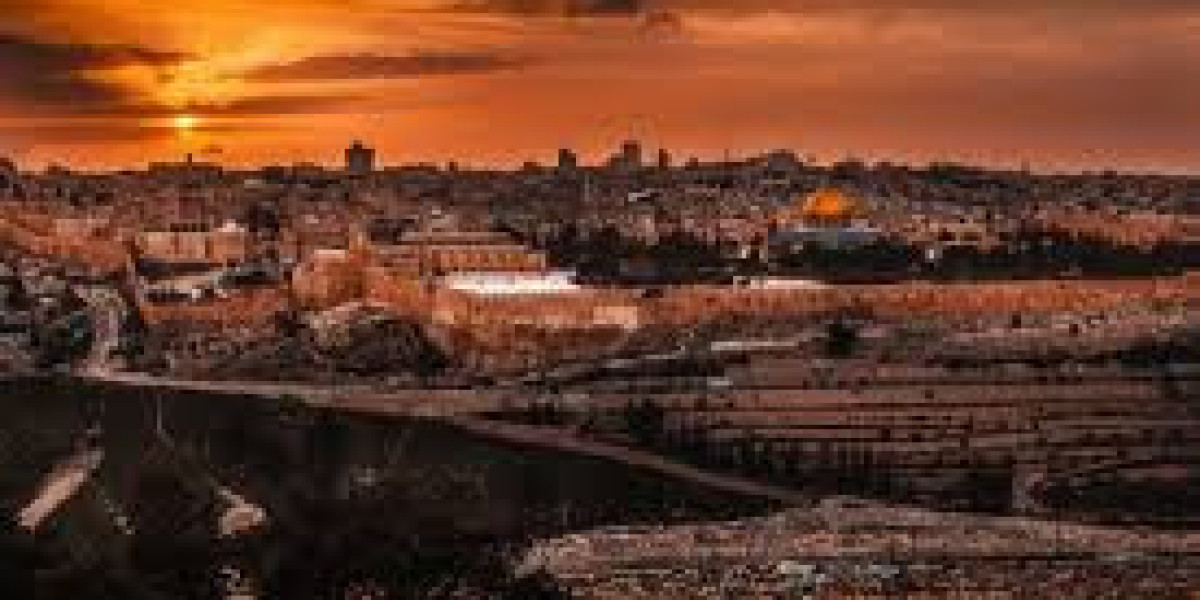
As the sun dips lower in the sky, the city shifts through a spectrum of colors. Soft creams become amber. Beige turns into rose. White walls glow gold. Shadows stretch gently across domes and courtyards. The air cools, the sky deepens into layers of orange, pink, and purple, and the city seems to pause.
This light is not just beautiful. It is symbolic. For centuries, poets, travelers, and prophets have written about the glow of Jerusalem. Sunset gives physical form to that poetry.
Sunset Over the Old City Walls
One of the most iconic sunset views in the world is over the Old City of Jerusalem. The ancient walls, built in the 16th century by Sultan Suleiman the Magnificent, encircle a place that has been sacred for millennia.
From the right vantage point, you can see the sun descend behind the western skyline, while the Old City glows in front of you. The Dome of the Rock reflects the last light. Church towers and minarets rise in silhouette. The Jewish Quarter rooftops shimmer softly. Every stone seems to carry memory.
Watching the sunset here feels like standing inside history. You are not just seeing a city. You are witnessing a story that has been unfolding for thousands of years.
The Western Wall at Dusk
Few places in the world carry as much emotional weight as the Western Wall, also known as the Kotel. It is the holiest accessible site in Judaism and a powerful spiritual center.
At sunset, the atmosphere around the Wall changes. Daytime crowds begin to thin. The heat fades. The light becomes softer. Prayers take on a quieter tone. The golden glow touches the ancient stones, highlighting every crack and crevice carved by time and devotion.
This is the moment when Shabbat begins on Friday evenings. The call to prayer, the singing, the sense of anticipation and peace create a feeling that is impossible to describe fully. Whether you are religious or not, standing near the Western Wall as the sun sets is deeply moving.
Sunset on the Mount of Olives
For one of the most famous panoramic views of Jerusalem at sunset, the Mount of Olives is unmatched. From here, you can look across the Kidron Valley toward the Old City. You see the Dome of the Rock, the Church of the Holy Sepulchre area, and the rooftops of ancient neighborhoods.
As the sun sets behind the city, the skyline becomes layered and dramatic. The city feels suspended between earth and sky. The Mount of Olives has been a sacred burial ground for over 3,000 years, and the presence of history adds weight to the beauty.
At sunset, it is common to see travelers sitting silently, cameras in hand, but often forgetting to use them. The moment is so powerful that people simply want to absorb it.
Sunset and the Rhythm of Daily Life
In Jerusalem, sunset is not just a visual event. It shapes the daily rhythm of the city. Markets begin to close. Shops pull down their shutters. Cafés fill with people. Families return home. The air cools, and the city exhales.
On Fridays, sunset signals the arrival of Shabbat. You can feel the shift in energy. Buses stop running. Streets grow quiet. Candles are lit. Meals begin. Songs are sung. The city becomes still in a way few modern cities ever do.
On other days, sunset marks the transition from busy movement to reflective calm. It is the moment when Jerusalem feels most human.
Spiritual Meaning of Sunset in Jerusalem
For Jews, Christians, and Muslims, sunset carries deep spiritual meaning.
In Judaism, sunset marks the beginning of a new day according to the Hebrew calendar. Holy days and Shabbat begin at sundown. This makes sunset a sacred threshold between time periods, between ordinary and holy.
In Christianity, Jerusalem is the city of Jesus’ crucifixion and resurrection. Sunset in this city connects believers to the story of faith, sacrifice, and hope. Many pilgrims pray as the sun sets, feeling closer to the events that shaped their religion.
In Islam, sunset is the time for Maghrib prayer. When the call to prayer echoes through the city at dusk, it adds a powerful layer of sound to the visual beauty.
In Jerusalem, sunset is where heaven and earth seem to meet.
Best Places to Watch the Sunset in Jerusalem
Jerusalem offers many incredible sunset viewpoints. Each has its own atmosphere and perspective.
The Old City Ramparts Walk lets you stand on ancient walls and watch the city glow beneath you. You see rooftops, courtyards, and holy sites bathed in golden light.
The Mount of Olives gives you the classic panoramic view of the Old City.
Armon HaNatziv Promenade offers a wide, open view of Jerusalem’s skyline with fewer crowds.
Yemin Moshe and Mishkenot Sha’ananim neighborhoods provide romantic, quiet streets with views toward the Old City walls.
Sacher Park is ideal for a relaxed sunset with locals, families, and students enjoying the cool evening air.
Each location shows a different face of Jerusalem at sunset.
Jerusalem Sunset for Photographers
Photographers from around the world come to Jerusalem to capture its sunset. The light is soft but rich, creating perfect conditions for both wide landscapes and intimate details.
At sunset, textures become more visible. Stone glows. Shadows deepen. Colors blend gently. Domes and spires stand out against the sky.
But beyond technique, the real challenge is emotional. Jerusalem is not just visually complex. It is spiritually charged. Capturing that feeling requires patience, respect, and presence.
Many photographers say the best images come when they stop chasing the shot and start feeling the moment.
Seasonal Changes in Jerusalem Sunsets
Jerusalem’s sunsets change with the seasons. In summer, the sun sets later, and the light is long and dramatic. The air is warm, and evenings are lively.
In autumn, the colors become deeper. The sky often turns rich orange and purple.
In winter, sunsets are earlier and more mysterious. Clouds sometimes break the light into stunning patterns.
In spring, the air is fresh, and the city feels reborn. Sunset reflects that renewal.
No matter the season, Jerusalem sunset always feels special.
Jerusalem Sunset and the Soul of the City
Jerusalem is often described as a city of tension, history, and complexity. But at sunset, those layers soften. The city becomes quiet, reflective, and unified in beauty.
People from different backgrounds stand side by side, watching the same sky. Beliefs, arguments, and differences pause for a moment. The city breathes together.
This is the true power of a Jerusalem sunset. It reminds us that beyond politics and divisions, there is shared humanity and shared wonder.
A Stay Near the Heart of Jerusalem
Choosing the right place to stay can make your sunset experience even more meaningful. Being close to the Old City and central neighborhoods allows you to walk to sunset viewpoints, return for dinner, and enjoy the city on foot as evening settles in.
Paamonim Hotel is a boutique hotel located in the heart of Jerusalem, near the vibrant Ben Yehuda pedestrian street. Its central location makes it easy to explore the city, reach major attractions, and enjoy Jerusalem’s atmosphere before and after sunset. With comfortable rooms, warm hospitality, and convenient access to the Old City, Paamonim Hotel is a great choice for travelers who want to experience Jerusalem both day and night while staying close to the soul of the city.
Experiencing Jerusalem Sunset as a Traveler
If you are visiting Jerusalem, do not rush your sunsets. Plan your day so that you are free in the evening. Walk slowly. Find a viewpoint. Sit. Watch. Listen.
Notice the sounds of the city changing. Feel the temperature drop. Watch the colors shift. Let the moment stay with you.
Many travelers say their most powerful memory of Jerusalem is not a museum or a tour. It is standing still as the sun goes down.
Sunset as a Memory That Stays Forever
Long after you leave Jerusalem, the image of its sunset stays with you. The golden walls. The silent hills. The glowing domes. The deep sky.
It becomes a symbol of peace, mystery, and timelessness.
In a world that moves too fast, Jerusalem sunset teaches you how to pause.
Final Thoughts
Jerusalem is a city that challenges and inspires. It holds pain and beauty, conflict and faith, ancient history and living culture. But at sunset, all of that complexity becomes harmony.
The light smooths the edges of time. The city becomes gentle. The moment becomes sacred.
Whether you are religious or not, whether you are visiting for the first time or returning again, watching the sunset in Jerusalem is something everyone should experience at least once in their life.