
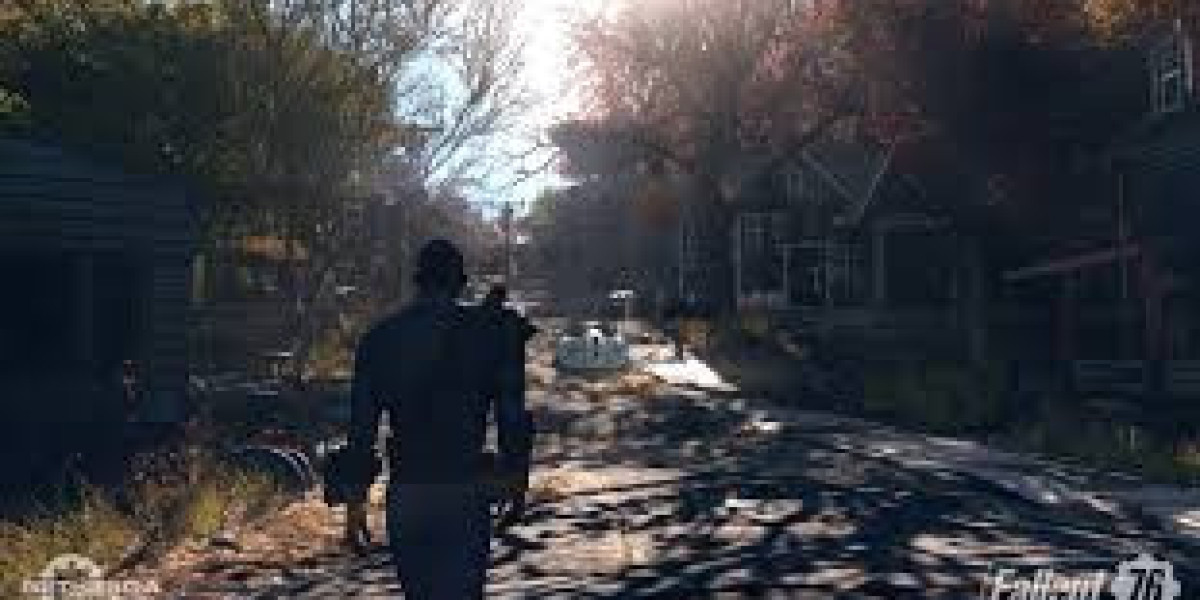
In the silent, sprawling ruins of Fallout 76's Appalachia, sound is not merely an effect—it is a primary narrator. Beyond the crackle of Geiger counters and the growls of mutated fauna, the world is stitched together by the haunting, curated broadcasts of **Appalachia Radio**. This station, and the ambient audio design surrounding it, performs a critical function that text terminals and holotapes cannot: it emotionally contextualizes the wasteland, weaving a layer of poignant humanity and eerie loneliness directly into the fabric of exploration. The music and ads become the ghostly heartbeat of a dead civilization, a constant, bittersweet companion on the journey.
**Appalachia Radio**, hosted by the smooth-voiced Julie, provides a stark, deliberate contrast to the visual desolation. As you trudge through the toxic ash of the Cranberry Bog or pick through the skeletons of Harper's Ferry, the air might be filled with the optimistic swing of "Wouldn't It Be Nice" by The Beach Boys or the resilient croon of "Country Roads." This juxtaposition is masterful. The songs, relics of a naive, pre-war world obsessed with consumerism and simple romance, now echo over a landscape that embodies their ultimate failure. They don't just create atmosphere; they deliver thematic commentary. The cheerful propaganda of commercial jingles for products that no longer exist, or sugar-coated love songs playing as you pass a family's final resting place in a basement, deepens the tragedy without a single line of explicit dialogue.
This auditory storytelling extends far beyond the radio dial. The environmental soundscape is a treasure trove of subtle narrative. The mournful strum of a guitar chord near a lone campfire site tells of a survivor's last moments. The distorted, looping announcement in a decaying train station speaks of evacuation protocols that ultimately meant nothing. The frantic final message from a Responder doctor, played over a clinic's PA, imparts urgency and despair more viscerally than a written note. Players become archeologists of sound, piecing together events through these audible fragments. The world feels authentically abandoned because it still whispers and sings with the echoes of those who are gone.
Ultimately, this sound design fosters a profound and specific emotional state: melancholic solitude. There are stretches where the only sounds are the wind, your footsteps, and the distant, unnatural call of a Scorchbeast. This quiet makes the sudden intrusion of the radio or a holotape feel momentous. It allows the player to sit with the scale of the loss. The music provides a shared cultural touchstone, a reminder of what was lost, making the player's solitary efforts at rebuilding feel both insignificant and deeply important. In Fallout 76 Bottle Caps, you don't just see the apocalypse; you hear its afterglow. The cheerful, doomed melodies of **Appalachia Radio** ensure that every small victory in the present is tempered by the beautiful, sorrowful memory of the past, making the wasteland feel not just dangerous, but authentically and heartbreakingly haunted.