
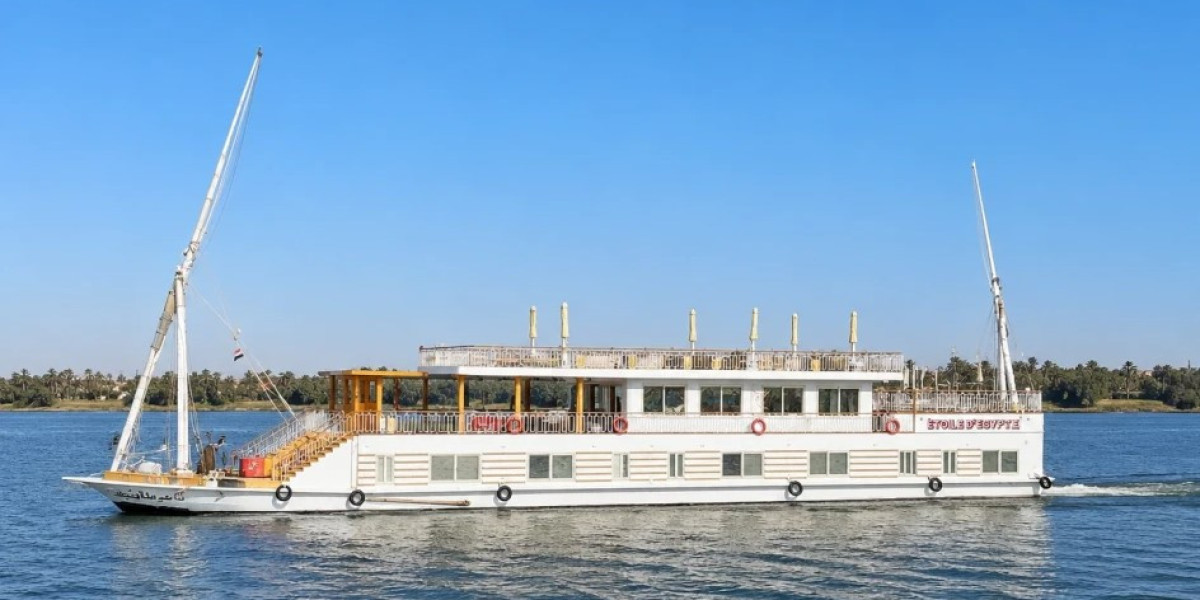
Visitors move between pyramids, temples, museums, and archaeological sites, sometimes with little time to observe the places connecting them. Sailing on a traditional dahabiya changes that perspective by making the Nile and its surrounding communities part of the journey.
Seeing life beyond the major cities
Luxor and Aswan are important centres for tourism in Upper Egypt, but the river between them passes smaller towns, villages, islands, and agricultural areas. From the deck, passengers can observe farmers working near the water, fishermen crossing the river, and local boats travelling between communities.
These scenes are not staged attractions. They are part of daily life beside the Nile. Travellers should watch respectfully and request permission before taking close photographs of residents, workers, or children.
Some itineraries include village walks or market visits. Appropriate clothing, considerate behaviour, and attention to the guide’s advice help create more respectful interactions.
Following a slower schedule
A dahabiya generally carries fewer passengers than a conventional cruise ship. The smaller capacity creates a quieter atmosphere and allows the boat to use mooring places that may not accommodate larger vessels.
Daily schedules often combine a cultural visit with several hours of sailing. Guests might explore a temple in the morning, return for lunch, and spend the afternoon watching the scenery from the open deck.
Wind, river conditions, navigation requirements, and local permissions can influence the programme. Travellers should review the planned itinerary while remaining prepared for reasonable changes to the order or timing of visits.
Understanding the historical landscape
The Nile connected many of the settlements, temples, and trading centres of ancient Egypt. Travelling by river helps visitors understand why historical sites developed where they did.
A guide can explain the relationship between the monuments and their surrounding geography. Passengers may also notice how modern communities continue to use the river for agriculture, transportation, and everyday activities.
The experience provides context that can be missed when attractions are visited separately by road.
Choosing a suitable journey
Most dahabiya itineraries operate between Luxor and Aswan, with departures available in both directions. Cruise length, sailing direction, cabin category, and scheduled excursions differ between packages.
A shared departure allows travellers to reserve individual cabins and join a small group. Private charters provide exclusive use of the vessel for a family or group, subject to availability and operating conditions.
Before booking a Dahabiya Nile cruise, request a written quotation confirming the boat, cabin, dates, meals, transfers, guides, entrance fees, and optional activities. Payment and cancellation conditions should also be reviewed carefully.
Allowing time to observe
The appeal of a dahabiya is not based only on the attractions included in the programme. Quiet mornings, shared meals, riverbank views, and evenings at smaller mooring places all contribute to the experience.
Travellers who allow time for these unscheduled moments often gain a broader impression of Upper Egypt. The journey shows that the Nile is more than a route between monuments; it remains the centre of a living landscape shaped by water, history, and community.