Walk into any sporting goods store and look closely at the jerseys on display. Notice how the numbers and player names look perfectly clean and consistent across every shirt on the rack? That precision doesn't happen by accident, and it depends heavily on which fabric the design gets applied to in the first place.
How Heat Transfer Printing Actually Works
Heat transfer printing applies a pre-cut or pre-printed design onto fabric using a combination of heat and pressure from a press. The design, whether it's vinyl lettering, numbers, or a printed graphic, bonds to the garment's surface as the adhesive backing melts and fuses under controlled temperature.
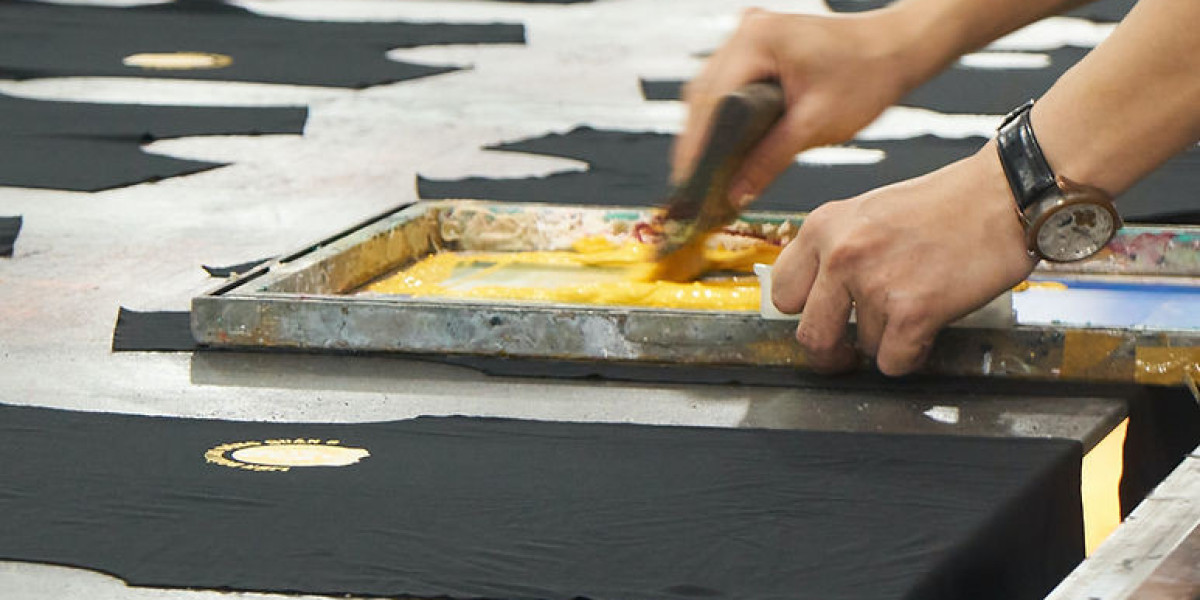
Unlike screen printing, which pushes ink through the fabric fibers, heat transfer printing sits primarily on top of the surface, which makes fabric choice especially important for how well and how long the design holds.
Fabrics That Perform Best
Not every material responds the same way to heat and pressure, and picking the wrong one can lead to disappointing results even with a well-made transfer.
Cotton and Cotton Blends
Cotton remains one of the most reliable fabrics for heat transfer work because it handles heat evenly without warping or scorching under normal press temperatures. Cotton blends offer similar reliability while adding a bit more stretch, which is common in team jerseys and athletic wear.
Polyester Performance Fabrics
Polyester requires more careful temperature control since it can scorch or discolor if the press runs too hot. Low-temperature vinyl and specialty adhesives are typically used on polyester jerseys to avoid damaging the fabric while still achieving a strong bond.
Nylon and Athletic Mesh
Nylon and mesh fabrics, common in athletic shorts and jerseys, need lower heat settings and shorter press times due to their sensitivity to melting. Specialty transfer materials designed specifically for athletic wear tend to produce the most consistent results here.
Materials That Struggle With Heat Transfer
Some fabrics simply don't hold heat transfer designs well, no matter how skilled the press operator is.
- Very thin or sheer fabrics. These often can't handle the heat and pressure without distorting.
- Heavily textured materials. Uneven surfaces prevent full contact between the transfer and fabric.
- Waterproof or coated fabrics. Coatings often block proper adhesion of the transfer material.
- Extremely stretchy synthetics. These can warp under heat, causing the design to crack once the fabric relaxes.
Numbering and Lettering: A Heat Transfer Specialty
Player numbers and team lettering represent one of the most common uses of heat transfer printing, and for good reason. This method delivers clean, consistent results across an entire roster, something far harder to achieve with hand-applied or printed alternatives.
Consistency Across a Full Team
Every number and letter gets cut from the same material using the same specifications, ensuring uniformity whether a team has twelve players or forty.
Clean Edges Without Bleeding
Because the design is pre-cut rather than printed wet onto the fabric, there's no risk of ink bleeding into the surrounding material, which keeps edges sharp and professional.
Fast Turnaround for Roster Changes
Adding a new player mid-season or correcting a misspelled name is far quicker with heat transfer lettering than it would be with a full reprint through other methods.
Temperature and Pressure: The Two Variables That Matter Most
Getting a heat transfer right comes down to two factors working together correctly. Too little heat or pressure and the design won't bond fully, leading to peeling within the first few washes. Too much of either, and the fabric can scorch, discolor, or melt depending on the material.
Experienced operators adjust these settings based on the specific fabric being pressed, rather than using one blanket setting across every job. This is part of why working with a shop that understands both fabric and equipment matters as much as the design itself.
Where Heat Transfer Fits Within a Full Lineup of Options
Most projects don't rely on a single printing method from start to finish. A team jersey might use screen printing for the main graphics and heat transfer for names and numbers, combining the strengths of each process rather than forcing one technique to handle everything.
This is where working with a shop offering full T shirt printing services makes a real difference. Instead of juggling multiple vendors for different parts of one order, a single shop can coordinate screen printing, embroidery, and heat transfer work together so the final product looks cohesive from top to bottom.
Getting the Most Out of a Heat Transfer Order
A few practical steps help ensure a heat transfer order turns out well from the start.
Confirming fabric type before finalizing a design prevents surprises once production begins, since certain materials require adjusted press settings or specialty transfer film. Providing clear, high-resolution artwork also makes a noticeable difference in how sharp small text and numbers appear once applied. Finally, ordering a sample piece before committing to a full team order can catch any fabric compatibility issues early, before dozens of jerseys are already in production.
How to Care for Heat Transfer Printed Apparel
Proper care extends the life of any heat transfer design significantly. Washing garments inside out in cold water reduces surface friction against the transfer, and avoiding high-heat dryers prevents the adhesive from softening prematurely. Ironing should always be done from the inside of the garment, never directly over a transfer, to avoid melting or distorting the design.
Why Merlin Graphics Handles This Right
Merlin Graphics C&C Design has applied numbering and lettering for sports teams, schools, and organizations across Tracy for over twenty years, adjusting press temperature and pressure to match whatever fabric a client brings in. Their team understands that a polyester jersey and a cotton t-shirt need completely different handling, and that attention to detail is reflected in a 4.9-star reputation built on more than a thousand completed orders.
With free design mockups, careful material matching, and turnaround times between 3 and 7 business days, Merlin Graphics treats every roster, from a small youth league to a full corporate uniform rollout, with the same level of craftsmanship.
FAQs
Which fabrics work best with heat transfer printing?
Cotton and cotton blends generally produce the most reliable results, while polyester and nylon require adjusted heat settings.
Why does heat transfer work well for jersey numbers?
It produces clean, consistent edges across an entire team without the bleeding risk that comes with printed ink.
Can heat transfer damage certain fabrics?
Yes, thin, coated, or highly stretchy synthetic materials can scorch or warp if press temperature isn't adjusted properly.
How long do heat transfer designs typically last?
With proper care, including cold washing and avoiding direct ironing, transfers can last for years without significant wear.
Should heat transfer be combined with other printing methods?
Often yes, many orders combine screen printing for graphics with heat transfer for names and numbers on the same garment.