
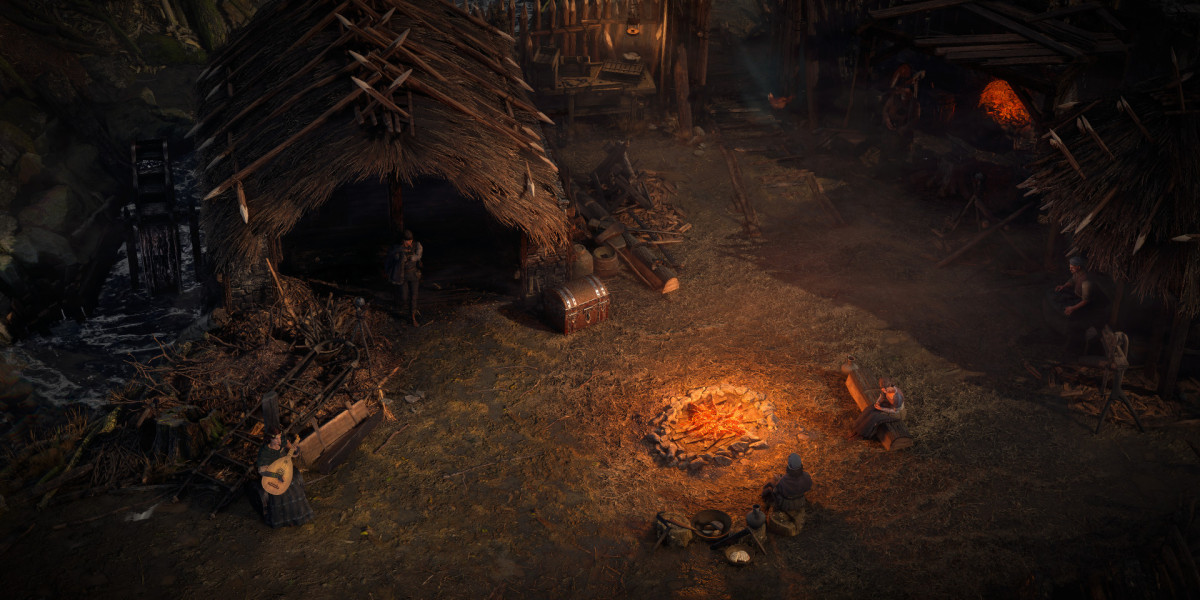
Path of Exile 2 is drawing attention for its slower, more deliberate approach to action RPG combat, where preparation often matters as much as quick reactions. Players looking to refine a new character can follow market activity around POE 2 Orbs while deciding which upgrades best support their preferred skills.
Rather than relying on a single overwhelming attack, the sequel encourages players to read enemy movements, manage spacing, and make every weapon choice meaningful. That direction gives early progression a stronger sense of discovery, especially for players who enjoy testing unusual combinations.
Combat Rewards Timing and Positioning
The most noticeable shift is the weight behind combat. Attacks have clearer commitments, enemy groups create more pressure, and careless movement can quickly turn a routine encounter into a costly retreat. This makes boss fights feel less like a race against a health bar and more like a test of observation.
Weapon swapping also adds depth without requiring a completely new character. A player may open a fight with a ranged option, then move into close combat when an enemy exposes a weakness. That flexibility gives builds room to respond to changing situations rather than following one repeated sequence.
Build Planning Starts Earlier
Character planning begins well before the final campaign areas. Skill gems, support choices, passive routes, and equipment attributes all shape how comfortable a build feels during leveling. A strong setup does not need to copy a popular blueprint; it needs to solve practical problems such as resource use, defense, and reliable damage.
New players may benefit from setting simple priorities instead of chasing every possible upgrade at once. A focused approach keeps progression steady and makes it easier to understand why a character succeeds or struggles.
Choose one primary skill for consistent clearing.
Keep a defensive tool ready for dangerous encounters.
Upgrade equipment when it improves several useful attributes.
Save specialized resources for items likely to remain in use.
The Economy Encourages Careful Decisions
Trading and item crafting are likely to remain central to the long-term experience. Valuable resources can create meaningful choices: spend them immediately to improve a weak weapon, hold them for a major milestone, or exchange them for gear that completes a build. These decisions give each drop more importance.
The healthiest approach is usually patience. Not every rare-looking item deserves investment, and not every market price reflects what a character truly needs. Players who understand their build's priorities can make more efficient choices and avoid wasting resources on short-lived upgrades.
A Promising Path for Returning and New Players
For veterans, Path of Exile 2 offers familiar depth with a more readable combat rhythm. For newcomers, its clearer presentation may make complicated systems easier to approach one layer at a time. The challenge remains substantial, but the journey appears designed to teach through play rather than overwhelm immediately.
Its lasting appeal will depend on how well future updates support varied builds, rewarding encounters, and a lively player economy. If those elements continue to develop together, the game could offer a satisfying home for both careful planners and adventurous experimenters.
Ultimately, success in Path of Exile 2 comes from learning the rhythm of combat, making informed upgrades, and adapting when a plan stops working; a thoughtful reserve of POE 2 Exalted Orbs can help players pursue those important improvements with confidence.
Benniehench03
18 בלוג פוסטים


