
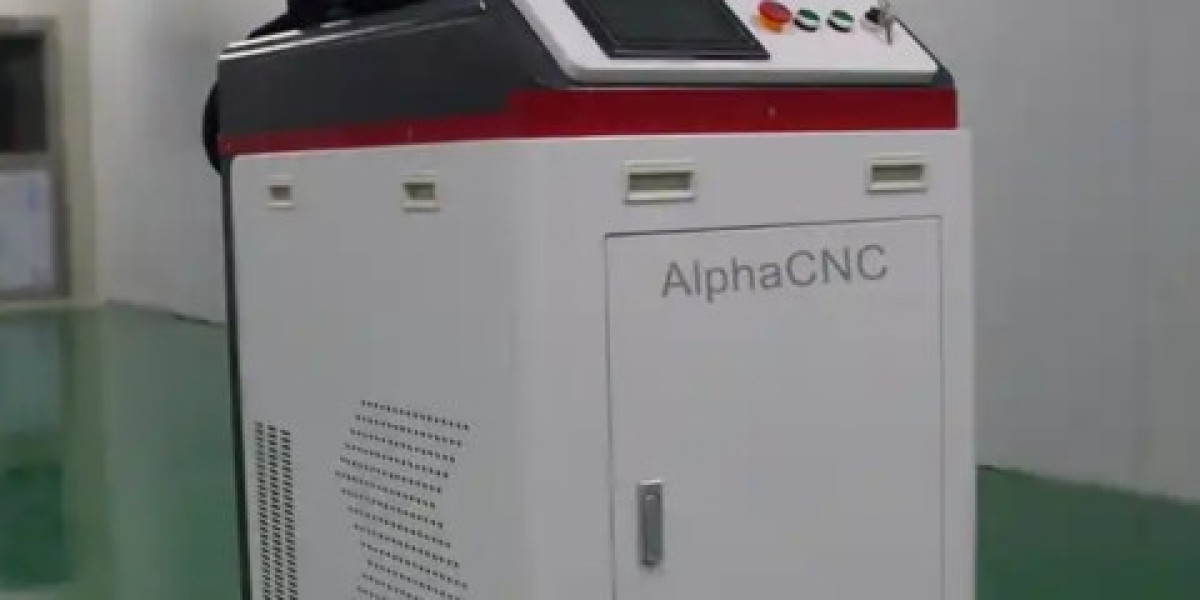
Surface preparation plays an important role in manufacturing, maintenance, restoration, and fabrication. Removing rust, paint, oil, oxidation, and other unwanted layers is often necessary before welding, coating, machining, or finishing. Traditional cleaning methods can require chemicals, abrasives, or considerable manual effort. A handheld laser cleaner offers a modern approach by using concentrated laser energy to remove contaminants from the surface while giving operators precise control over the cleaning process.
What Is a Handheld Laser Cleaner?
A handheld laser cleaner is a portable laser cleaning system designed for removing unwanted materials from different surfaces. The equipment directs a controlled laser beam toward the target area. When the laser interacts with contaminants such as rust, paint, grease, or oxide layers, the unwanted material absorbs the energy and is removed from the surface.
The operator can guide the cleaning head manually, making the system suitable for components with different shapes and sizes. Depending on the application, laser cleaning systems can be configured for different power levels and cleaning requirements.
This technology is increasingly used in workshops, factories, fabrication facilities, automotive production, metalworking, and equipment maintenance.
How Does Laser Cleaning Work?
Laser cleaning works through a controlled interaction between laser energy and surface contaminants. The laser beam is directed onto the material that needs to be cleaned. Contaminants generally absorb laser energy differently from the underlying substrate.
As the laser passes across the surface, the unwanted layer can be removed through rapid heating, vaporization, or other laser-material interactions. The operator controls the movement and settings of the equipment according to the material and contamination.
A handheld laser cleaner can therefore be used to clean specific areas without treating the entire component. This is particularly useful when only a certain section requires preparation or restoration.
Removing Rust From Metal Surfaces
Rust removal is one of the most common applications for handheld laser cleaning equipment. Metal components exposed to moisture and air can develop oxidation over time. Before painting, welding, coating, or restoring a component, this layer may need to be removed.
A laser cleaner can scan across rusty areas and remove the oxidation from the metal surface. The process can be adjusted according to the thickness and condition of the rust.
For workshops handling machinery parts, steel structures, automotive components, tools, and fabricated products, laser-based rust cleaning provides a practical method for surface preparation.
Paint and Coating Removal
Old paint and coatings can make maintenance and refurbishment more difficult. Conventional paint removal may involve solvents, blasting, grinding, or scraping.
A handheld laser cleaner can be used to process painted surfaces by directing laser energy across the coating. The unwanted layer is treated while the operator controls the cleaning path.
This application can be useful for restoring metal components, preparing surfaces for repainting, maintaining industrial equipment, and removing selected coatings from manufactured parts.
Cleaning Oil, Grease, and Industrial Contamination
Industrial components often accumulate oil, grease, dirt, and other residues during production or operation. Cleaning these contaminants is important before welding, coating, inspection, or maintenance.
Laser cleaning can be used for targeted removal of certain surface contaminants from suitable materials. The operator can move the laser cleaning head across the affected area and adjust the process according to the material and contamination.
For manufacturing environments where components require repeated preparation, this method can become part of a structured surface-cleaning workflow.
Surface Preparation Before Welding
Clean surfaces are important for many welding applications. Rust, paint, oxide layers, oil, and other contamination can interfere with preparation and affect the working area.
Using a handheld laser cleaner before welding can help prepare selected sections of metal. The operator can clean the required area without necessarily processing the entire component.
This makes laser cleaning relevant to fabrication workshops, metalworking companies, repair facilities, and manufacturers working with steel, stainless steel, aluminum, and other suitable materials.
Cleaning Before Painting and Coating
Proper preparation is an important stage before applying a new coating. Contamination left on a surface can interfere with the coating process and create inconsistencies.
A handheld laser cleaner can be used to remove selected contaminants before painting or coating. The cleaning process can be performed along edges, joints, fabricated surfaces, and other areas where preparation is required.
Manufacturers can incorporate laser cleaning into their preparation workflow to create a more controlled process before subsequent finishing operations.
Applications in Manufacturing
Modern manufacturing involves a wide range of components that require cleaning at different stages of production. Laser cleaning can be applied to molds, metal components, tools, machinery parts, fabricated structures, and other suitable surfaces.
Because the cleaning head is manually guided, operators can work on components with different geometries. This flexibility is useful in production environments where parts are not always identical.
Manufacturers can also use laser cleaning for maintenance tasks when equipment or components need surface preparation without extensive disassembly.
Restoration and Maintenance Work
Restoration projects often involve old metal surfaces covered with rust, oxidation, paint, or accumulated dirt. Since restoration requires careful handling, controlled cleaning can be particularly important.
A handheld laser cleaner allows an operator to work progressively across a surface. The cleaning parameters can be selected according to the substrate and the contamination being treated.
This makes laser cleaning relevant to industrial restoration, machinery refurbishment, automotive restoration, metal structures, and specialized maintenance work.
Choosing the Appropriate Laser Cleaning System
Selecting a laser cleaner requires consideration of the intended application. Operators should evaluate the type of contamination, substrate material, surface condition, cleaning area, required working speed, and production requirements.
Laser power is another important consideration. Different cleaning tasks may require different levels of laser energy. A system intended for light surface contamination may have different requirements from one used for heavy rust or thick coatings.
The cleaning head, scanning method, control system, working distance, and available operating modes should also be considered when selecting equipment for professional use.
Safe Operation and Workplace Preparation
Laser cleaning equipment should always be operated according to the manufacturer's instructions and applicable workplace safety requirements. Industrial laser systems can present significant hazards if used incorrectly.
Operators should use the required protective equipment, establish an appropriate controlled working area, and follow the safety procedures supplied with the machine. Proper ventilation and fume extraction may also be necessary because removing coatings, oils, paints, or other materials can generate fumes or particles.
Training is important before operating professional laser cleaning equipment. Workers should understand the controls, suitable materials, operating parameters, and safety procedures associated with the system.
Integrating Laser Cleaning Into Industrial Workflows
A handheld laser cleaner can be incorporated into different stages of an industrial workflow. It may be used before welding, before coating, during maintenance, or during restoration.
For businesses considering laser cleaning equipment, it is useful to identify the surfaces and contaminants encountered most frequently. Testing representative components can help determine suitable operating parameters before introducing the equipment into regular production.
With the right setup and operating procedure, laser cleaning can become a practical part of surface preparation and maintenance operations.
Final Thoughts
A handheld laser cleaner provides a modern method for targeted surface cleaning across manufacturing, fabrication, maintenance, restoration, and metalworking applications. From removing rust and old coatings to preparing surfaces before welding or painting, laser technology offers controlled processing for many industrial cleaning requirements.