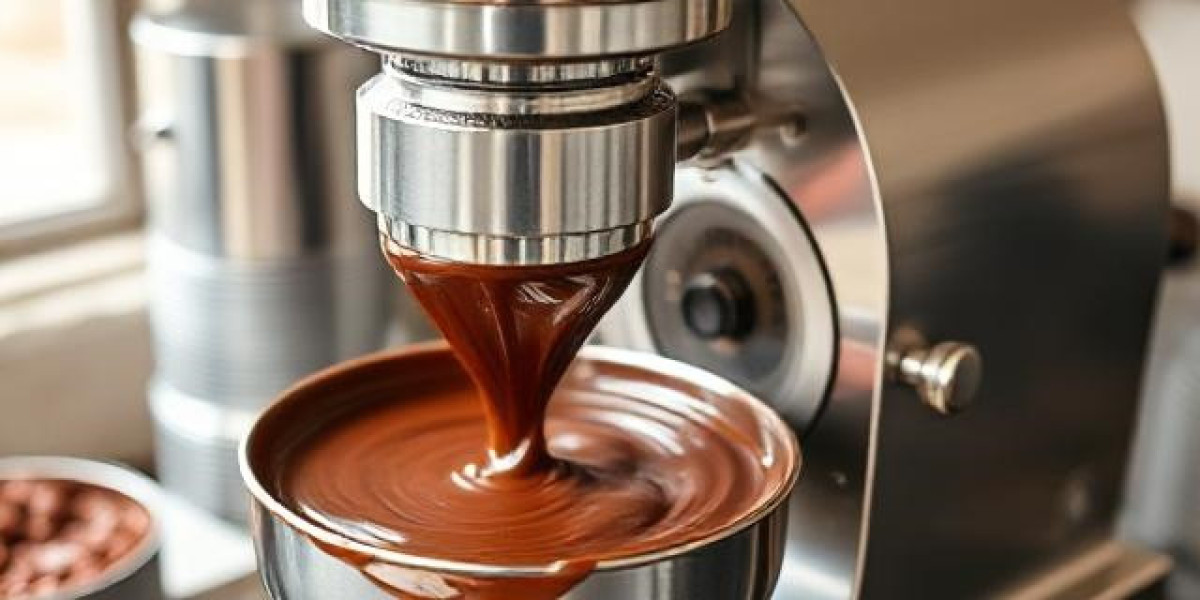
Candy bar manufacturing brings together ingredients, mechanical handling, product forming, cooling, and packaging preparation in a coordinated production process. A Candy Bar Line connects these activities so that ingredients can move through successive stages with fewer unnecessary transfers and a more organized workflow. The effectiveness of the system depends on how well each machine works with the next, as well as how the equipment accommodates the recipe, product structure, and factory environment. For confectionery manufacturers, understanding materials, equipment selection, processing technology, operator requirements, and physical layout helps establish a production arrangement that supports consistent results and practical day-to-day management.
Material selection influences the hygiene, durability, and maintenance requirements of confectionery machinery. Stainless steel is commonly used for food-contact areas because suitable grades can resist corrosion and provide surfaces that are practical to clean. The quality of joints, welds, and internal transitions also matters because sticky ingredients, chocolate residues, and fillings may accumulate in difficult-to-access locations. Belts, scrapers, rollers, and other product-handling components may use food-contact materials selected for their specific duties. Protective guards and external frames serve different purposes and should be evaluated according to their structural and cleaning requirements. Buyers should consider the full machine assembly rather than focusing only on visible metal surfaces, since hygienic performance depends on material compatibility, fabrication quality, and the accessibility of areas that require regular attention.
Choosing equipment begins with defining the product range and understanding how each recipe behaves during processing. Some bars contain layered fillings, while others combine caramel, nougat, crisped ingredients, nuts, wafers, or chocolate coatings. These differences influence how ingredients are prepared, deposited, shaped, cooled, and transferred. Manufacturers should consider whether they need flexibility for product changes, how frequently recipes are adjusted, and which existing machines can be incorporated into the proposed line. Ingredient preparation and packaging operations also deserve attention because they influence the pace and organization of production. A supplier discussion should cover the complete manufacturing workflow, available factory space, cleaning procedures, operator experience, and plans for future product development. This approach helps buyers evaluate equipment according to actual production needs.
The technical operation of a candy bar line relies on coordinating several distinct processes. Ingredient preparation equipment helps create a workable mixture, while depositing or forming systems shape the material into the intended product structure. Depending on the recipe, rollers, cutters, enrobing equipment, or other mechanisms may be used to develop layers and establish the finished bar's form. Cooling equipment helps the product become sufficiently stable for subsequent handling, while transfer systems move it between processing stages. Control systems coordinate machine functions and help operators monitor the production sequence. These processes must be compatible: material that is too soft, too firm, or unevenly distributed can create difficulties at later stages. Recipe development and equipment configuration therefore need to be considered together.
Production consistency depends not only on individual machines but also on how materials move throughout the line. Poorly coordinated transfers may cause product deformation, accumulation, or interruptions between operations. Equipment layout should support a logical sequence from ingredient preparation to forming, cooling, and the next handling stage. Sensors and control functions may help operators observe machine status and identify process interruptions, while appropriate transfer arrangements reduce unnecessary manual handling. Manufacturers should also consider how the line responds when a recipe changes or a machine requires cleaning. A flexible system can make product transitions easier to organize, provided that changeover procedures are compatible with the equipment design and the characteristics of the ingredients.
Operator experience has a direct influence on daily production management. Clearly arranged controls help staff understand operating sequences, while accessible inspection points make it easier to observe product movement and identify irregularities. Ingredient-loading areas should accommodate the facility's material-handling methods, and cleaning procedures should be practical for the staff responsible for sanitation. Maintenance teams also need safe access to moving components, drive systems, and other service points. When a production line contains several connected machines, clear operating instructions help staff understand how one stage affects the next. Training should cover normal operation, product changeovers, cleaning, and safe responses to interruptions. These details support more organized teamwork and help reduce avoidable handling problems.
Physical design determines how the production line fits into the factory and how conveniently operators can work around it. A well-planned arrangement leaves space for ingredient delivery, product inspection, cleaning, and maintenance while keeping the process sequence easy to follow. Machine frames should support stable installation, and protective covers should allow suitable access for authorized inspection. The position of conveyors, control panels, and discharge areas influences how staff move between operations. A tidy, coherent equipment layout can also make the production area easier to understand during training and routine supervision. Although a consistent exterior finish contributes to the professional appearance of a food-processing facility, functional access, hygienic construction, and safe movement should guide the layout decisions.
Gusu Food Processing Machinery Suzhou Co., Ltd. provides equipment for chocolate and confectionery processing, supporting businesses that develop or improve their manufacturing workflows. Companies planning a candy bar production system can discuss their recipes, ingredient characteristics, forming methods, cooling needs, cleaning routines, and connections with existing equipment when exploring suitable solutions. Reviewing these details with a supplier helps clarify how individual machines may work together within the intended production environment. Further information about the company's confectionery processing equipment and related solutions is available at https://www.gusumachinery.com/.