
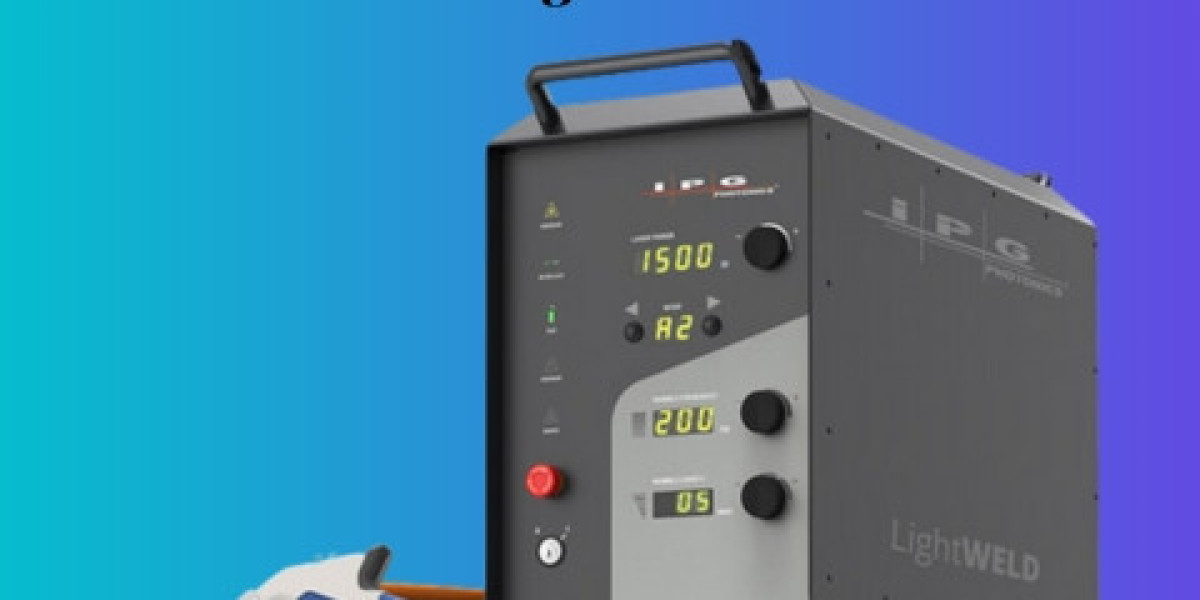
A hand held metal laser welding machine is a modern welding solution designed to join metal components with accuracy, speed, and consistency. It uses a concentrated laser beam to create strong welds while allowing operators to guide the welding process manually. This technology is suitable for manufacturers, metal fabricators, repair workshops, and industrial production facilities looking to improve their welding operations.
As industries demand higher production efficiency and cleaner finishes, handheld laser welding equipment is becoming an increasingly popular choice for working with different metal materials.
How Does Handheld Metal Laser Welding Work?
A handheld laser welding system directs a focused laser beam onto the joint between two metal pieces. The concentrated energy heats and melts the material, allowing the metal to fuse as it cools. The operator guides the handheld welding head along the joint to achieve the desired welding result.
Depending on the machine's configuration, the system may support materials such as stainless steel, carbon steel, aluminum, and other compatible metals. Proper selection of laser power, welding speed, and process parameters is essential for achieving reliable results.
Operators should follow the manufacturer's instructions and receive appropriate training before using the equipment.
Applications Across Different Industries
The hand held metal laser welding machine can serve a wide range of industrial and commercial applications.
Metal Fabrication
Metal fabrication workshops can use handheld laser welding equipment to join sheet metal, frames, enclosures, and custom metal structures. Its flexible operation makes it suitable for various fabrication tasks.
Automotive Manufacturing
Automotive suppliers and repair facilities may use laser welding for selected brackets, metal panels, components, and assemblies. The appropriate system depends on material thickness, joint design, and production requirements.
Stainless Steel Products
Manufacturers producing kitchen equipment, cabinets, railings, and decorative metal products can benefit from controlled welding processes. Suitable parameter settings help achieve neat joints and reduce the need for extensive finishing in some applications.
Industrial Equipment Production
Industrial manufacturers can integrate handheld laser welding into the production of machine housings, metal enclosures, equipment frames, and other compatible components.
Choosing the Right Laser Welding Equipment
Selecting suitable equipment requires careful consideration of the intended application. Laser power is an important factor because different metal thicknesses and joint configurations require different levels of energy.
Material compatibility should also be evaluated, particularly when working with aluminum or reflective metals. Buyers should consider the welding head design, wire-feeding requirements, cooling system, power supply, and available operating modes.
Before purchasing a hand held metal laser welding machine, evaluate the manufacturer's technical specifications and request sample welds using your actual materials. This practical assessment can help determine whether the equipment meets your quality and productivity expectations.
Safety and Maintenance Considerations
Laser welding requires appropriate protective measures because the laser beam and its reflections can cause serious eye and skin injuries. Operators should use a properly controlled laser-working area, suitable wavelength-rated protective equipment, appropriate machine enclosures where required, and effective fume extraction.
Routine maintenance is equally important. Keep optical components clean according to the manufacturer's procedures, inspect cables and connectors, monitor the cooling system, and check the welding head for wear or damage. Regular servicing helps maintain stable operation and reduce unexpected downtime.
Only trained personnel should operate or service the machine in accordance with its safety documentation.
Understanding the Cost of a Handheld Laser Welder
The price of a handheld laser welding system depends on its laser source, power rating, cooling configuration, accessories, automation options, and after-sales support. Additional expenses may include protective equipment, installation, training, maintenance, and replacement consumables.
When comparing suppliers, consider the total cost of ownership rather than focusing exclusively on the initial purchase price. Warranty coverage, spare-part availability, technical assistance, and service arrangements can make a meaningful difference over the equipment's working life.
Final Thoughts
A hand held metal laser welding machine offers manufacturers a flexible option for joining compatible metal components with precision and efficiency. From fabrication workshops to industrial production environments, choosing the right system begins with understanding material requirements, production targets, and workplace safety needs.
Compare equipment specifications, verify welding performance through sample testing, and select a reliable supplier that provides technical guidance and dependable after-sales service. With the right setup and trained operators, handheld laser welding can become a valuable part of a modern metalworking operation.